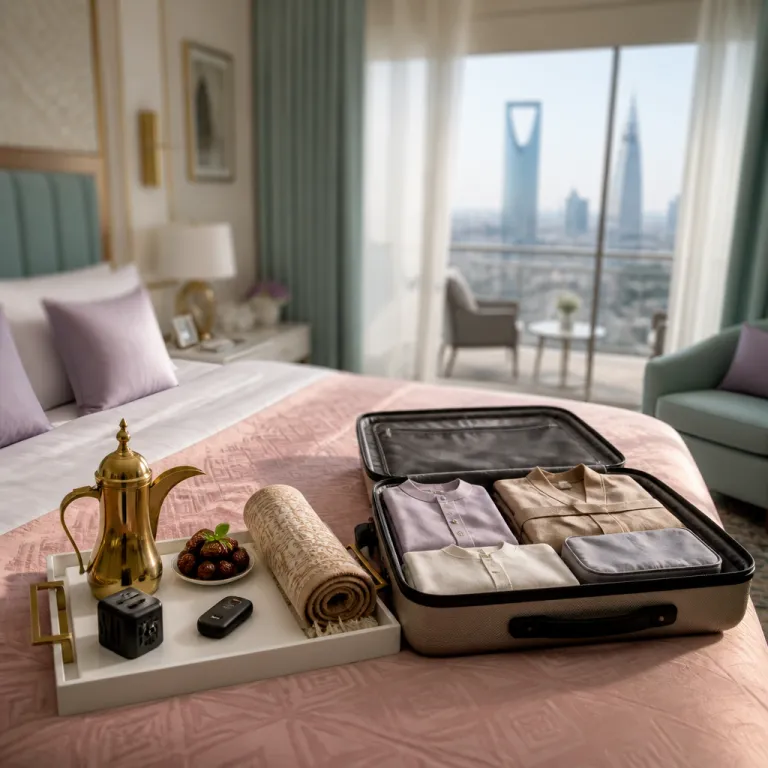
Reading the room: how luxury in Saudi Arabia really works
Travel Saudiarabia feels different the moment you step into a lobby. In Saudi Arabia, luxury is less about chandeliers and more about how quietly a manager reroutes your airport transfer when a sudden public event closes half of Riyadh. Seasoned guests quickly realise that understanding the country, its local rhythm and its safety risks matters as much as the room category.
High end properties in Saudi now serve a new generation of citizens Saudi and international executives who blend meetings with desert escapes. Many of these guests arrive from the United States or Europe assuming that what works in Dubai or Doha will translate directly to Arabia, including expectations around alcohol, late night dining and spa access. The reality is that local laws, religious practice and the role of Saudi authorities shape everything from restaurant hours to how children move through public spaces.
For first timers planning to travel, the smartest move is to treat the hotel as both sanctuary and cultural classroom. Front office teams are usually well briefed on the latest travel advisory updates, including any temporary exit bans or changes at a nearby border crossing. When you ask the right questions at check in, you reduce risk, respect the country’s norms and unlock experiences that rarely appear on social media.
Prayer times, dry bars and gendered spaces: the unwritten rules inside five star walls
In Saudi Arabia, the call to prayer shapes the daily choreography of even the most international hotel. Restaurants may pause service briefly, some spa facilities adjust schedules for men and women, and certain public areas feel noticeably quieter during these windows. Guests who travel Saudi with a flexible mindset find that these pauses become part of the country’s calm rather than a disruption.
Because alcohol is prohibited across Saudi, top properties have elevated their dry bar game with serious intent. You will see mixologists working Saudi date syrups, regional citrus and specialty coffee into complex mocktails that feel more like tasting menus than soft drinks, and this is where the best hotels in Riyadh and along the Red Sea quietly compete. The absence of alcohol also lowers some safety risks associated with late night venues, though standard travel insurance still matters for medical emergencies or unexpected trip changes.
Some spas and pools operate with gender specific hours, especially when serving more conservative local guests and government employees on conference stays. Staff will usually explain these patterns at check in, but seasoned visitors ask proactively so that women and children can plan their day without frustration. When evaluating coastal resorts, read beyond the marketing and seek a Red Sea reality check that separates genuine shoreline access from projects still behind construction fences ; a detailed example comes from this analysis of how megaproject marketing meets the coastline.
The KAFD effect: Riyadh’s new financial core and its hotel logic
King Abdullah Financial District, usually shortened to KAFD, has transformed Riyadh’s skyline and its hospitality map in a remarkably short time. Where there was once construction dust, there is now a dense cluster of design forward hotels from global brands such as W, Kimpton and Sofitel, each targeting citizens Saudi and international executives who want to walk between boardrooms and dinner. For guests who travel Saudiarabia frequently on business, this district concentrates meetings, dining and high security accommodation into a compact, well policed zone.
The KAFD cluster also changes how employees working in multinational firms think about extending their stays. A three night board meeting can easily stretch into a five night work and leisure hybrid, with early morning strategy sessions followed by late afternoon drives to heritage sites on the city’s edge. Many government employees and private sector leaders now use KAFD hotels as a base before flying west for hajj or umrah, timing their exit from Riyadh to avoid peak airport congestion.
For couples or solo travelers adding leisure days, the smartest play is to pair a KAFD stay with a slower cultural escape such as AlUla. One detailed itinerary for two travelers in AlUla shows how to shift from glass towers to sandstone canyons without losing the thread of comfort ; it is worth studying this romantic itinerary that slows down before you book. When you understand how the capital’s new district works in practice, you can balance meetings, museum visits and desert silence with almost surgical precision.
Visa intelligence, exit rules and why timing matters more than you think
Saudi Arabia’s e visa regime has quietly rewritten the playbook for high end travelers who want to add leisure days around business trips. For many nationalities, including citizens from the United States and much of Europe, tourism visas now allow stays that cover both meetings and weekend escapes without complex paperwork. That flexibility makes it easier to travel Saudiarabia for a conference in Riyadh and then continue on to Jeddah or AlUla before your final exit from the country.
Even with this openness, seasoned guests respect that Saudi authorities maintain firm control over borders, immigration and exit procedures. Certain legal disputes or unpaid obligations can trigger exit bans, and while these typically affect residents or employees working long term in the kingdom, visitors still benefit from keeping paperwork, hotel bills and local contact details in order. When in doubt, your hotel concierge can help you interpret a government travel advisory or direct you to the right local authorities for clarification.
Health rules also matter, especially for those combining hajj and umrah with wider travel. Depending on your origin, proof of vaccination against yellow fever or other diseases may be required at the border, and travel insurance that explicitly covers pilgrimage periods is strongly recommended. Before you fly, check both your own department of state style guidance and the latest information from the Saudi Tourism Authority so that no emergency catches you between cities.
Hajj, umrah and the invisible calendar behind room rates
Every seasoned guest who plans to travel Saudi learns that the pilgrimage calendar quietly shapes hotel pricing far beyond Makkah and Madinah. During peak hajj and umrah periods, aircraft cabins fill with pilgrims, airport queues lengthen and even business hotels in Riyadh or Jeddah feel the pressure. Luxury properties respond with stricter minimum stay rules, tighter cancellation windows and higher rates for suites that can accommodate extended families with women, men and children together.
Outside these peaks, the rhythm flips and inland cities can offer remarkable value. Summer heat drives many citizens Saudi and expatriates toward coastal breezes, which means that central business districts sometimes soften their pricing to keep occupancy healthy. For executives who can handle 42 °C days between air conditioned meetings, this season can be the moment when a standard room budget suddenly stretches to a club floor or private villa.
Coastal resorts along the Red Sea and Arabian Gulf follow a different logic, with shoulder seasons offering the best balance of air quality, temperature and availability. A detailed breakdown of the pre summer Red Sea window explains why May travelers often enjoy the best light and more attentive service ; you can see this dynamic unpacked in the guide to the pre summer Red Sea window. Aligning your stay with these invisible calendars is where travel Saudiarabia shifts from reactive booking to strategic planning.
On the ground etiquette: tipping, local laws and digital footprints
First time visitors are often surprised that tipping expectations in Saudi Arabia feel lighter than in the Gulf’s more aggressively transactional hubs. Service charges are frequently included, and while a discreet cash tip for exceptional staff is appreciated, no one will chase you down a corridor for a forgotten note. That said, regular guests who travel Saudiarabia for work often build quiet relationships with concierges and drivers through consistent, thoughtful gratuities.
Respecting local laws goes far beyond dress codes and prayer time awareness. The Saudi Tourism Authority’s own guidance emphasises simple but important points such as modest clothing, avoiding public displays of affection and never bringing alcohol or pork products into the country, and these rules apply equally to citizens Saudi and foreign visitors. One official answer to a common question states without ambiguity ; “Yes, Saudi Arabia is generally safe for tourists; exercise standard precautions.”
Digital behaviour matters too, because social media posts that would be harmless elsewhere can create real risks in Saudi Arabia. Criticising public institutions, filming people without consent or sharing sensitive locations can attract attention from local authorities, and hotels will not shield guests from the consequences. Before you post that rooftop pool shot, remember that travel insurance rarely covers legal issues arising from online activity, and a little restraint keeps your stay focused on the country’s hospitality rather than its courts.
Risk, resilience and how top hotels handle the unexpected
Behind the polished marble and calm lighting, the best Saudi hotels operate with a clear eyed view of risk. They train équipes to handle medical emergencies, sudden public demonstrations, sandstorms that disrupt flights and the occasional regional security alert, all while keeping guests informed without drama. When you travel Saudi with a premium property as your base, you are effectively buying into a private layer of crisis management that sits on top of the country’s own systems.
Most five star concierges now speak fluently about travel insurance, embassy contacts and the practical side of staying compliant with local regulations. They know which government departments handle lost passports, how to reach on call doctors and when to advise guests to stay within the hotel during a short lived security sweep by Saudi authorities. For employees working on long assignments, these teams often become informal advisers on everything from driving rules to which neighbourhoods feel most comfortable for women walking between meetings.
International visitors should still consult their own government travel advisory services, whether that is a department of state style bulletin or another national platform. These notices, combined with hotel briefings and information from local tour operators, create a layered picture of risks and responses across the country. When you weave these threads together, travel Saudiarabia stops feeling like a leap into the unknown and becomes a managed, deeply rewarding experience.
Key figures shaping luxury travel in Saudi Arabia
- Saudi Tourism Authority data indicates that tourist arrivals recently reached around 5 000 000 people in a single year, a sharp increase that explains the rapid expansion of luxury hotel chains in Riyadh, Jeddah and along the Red Sea coast.
- The average daily temperature in Riyadh in June is approximately 42 °C according to the Saudi Meteorological Department, which pushes many travelers toward coastal resorts while creating off peak value in the capital’s high end properties.
- Vision 2030 plans call for the addition of roughly 320 000 hotel rooms nationwide, a pipeline that will continue to reshape rate structures and availability for both citizens Saudi and international guests.
- Saudi Tourism Authority initiatives now use online publications, travel seminars and social media campaigns to distribute cultural guidance, reflecting a coordinated government effort to align hospitality growth with visitor education.
- Virtual reality tools are being deployed by local partners to familiarise travelers with cultural norms before arrival, helping reduce misunderstandings in public spaces and improving overall guest satisfaction.
FAQ: luxury hotel stays and safety in Saudi Arabia
Is it safe to stay in luxury hotels in Saudi Arabia?
High end hotels in Saudi Arabia maintain robust security protocols, from controlled access points to trained emergency response teams. Official guidance confirms ; “Yes, Saudi Arabia is generally safe for tourists; exercise standard precautions.” Guests should still monitor their own government travel advisory updates and follow hotel instructions during any unusual public events.
How do prayer times affect hotel services for guests?
During the five daily prayers, some shops and facilities in Saudi Arabia close briefly, and this rhythm can extend into hotel operations. Restaurants may pause service, certain spa areas may be reserved separately for men and women, and public spaces can become quieter. Front desk teams usually provide prayer time schedules so that guests can plan meals, meetings and children’s activities around these short breaks.
Can women travel and drive independently while staying in Saudi hotels?
Women can drive, check into hotels and move independently across Saudi Arabia, including in major cities such as Riyadh and Jeddah. Luxury properties are accustomed to hosting solo female executives and leisure travelers, and many offer enhanced privacy options on request. As with all guests, respecting local dress codes in public areas and following hotel guidance on neighbourhood etiquette keeps interactions smooth.
Do I need special insurance for hajj or umrah related trips?
Travel insurance that explicitly covers medical care, trip interruption and emergency evacuation is strongly recommended for any journey that includes hajj or umrah. Pilgrimage seasons increase crowd related risks, from heat stress to minor injuries, and policies tailored to Saudi Arabia can provide more relevant coverage. Always confirm that your insurer recognises the country as an allowed destination and understands the specific conditions of pilgrimage travel.
How should I handle local laws and social media use during my stay?
Guests are expected to follow Saudi Arabia’s local laws, which include modest dress in public, respect for religious practices and strict rules around alcohol and certain types of content. Social media posts that criticise public institutions, show people without consent or reveal sensitive locations can attract attention from local authorities. When in doubt, ask your hotel concierge for guidance and err on the side of discretion to avoid unnecessary risks.