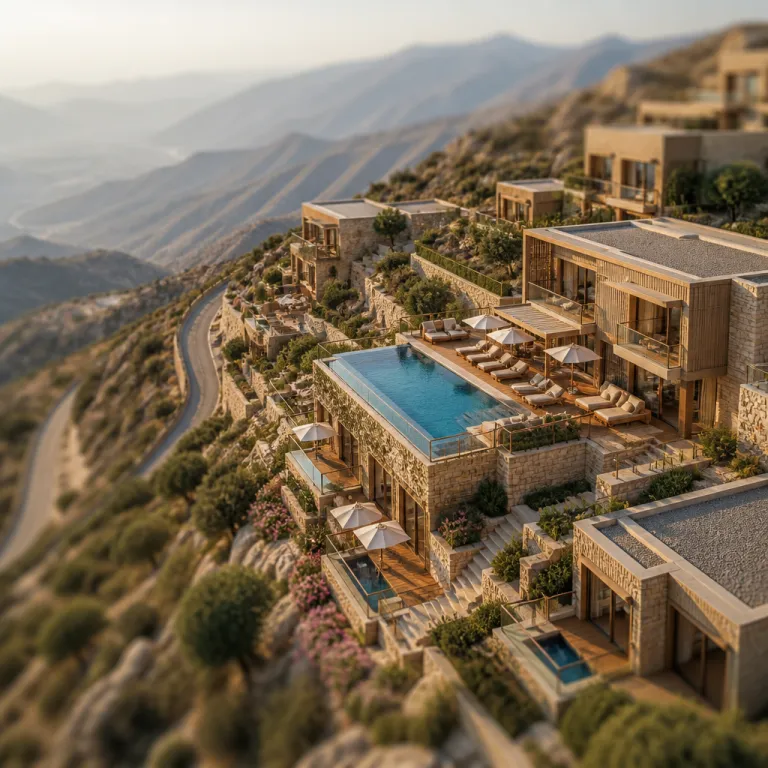
Why Taif and Aseer now define Saudi's cool mountain escape
Taif and Aseer sit high above much of Saudi Arabia, and that altitude quietly reshapes the entire luxury travel experience. While the Red Sea coast can push past 45 °C in peak summer, these mountain destinations often sit more than 10 degrees lower, with Taif’s summer highs typically around 30–32 °C and Abha in Aseer often cooler still, according to data from the Saudi National Center for Meteorology. For couples used to coastal heat in the wider Middle East, the first evening breeze on the terraces of mountain hotels in Taif and Aseer feels like stepping into a different country.
Taif rises to around 1,879 meters above sea level, and that elevation is not an abstract number for travelers who want to walk, linger and talk without racing back to air conditioning. The same applies in Aseer, where the mountains around Abha and the wider Aseer highlands create a green, terraced landscape that feels closer to a Mediterranean or Caribbean hill town than to the desert news headlines that still frame Saudi in much international media. This climate advantage is exactly why the Saudi Tourism Authority now positions these regions as a core summer destination for couples who want to stay in upscale mountain resorts and boutique hotels that provide high comfort without sacrificing fresh air.
For a luxury and premium hotel booking website focused on Saudi Arabia, this shift in traveler behavior is critical. Guests who once defaulted to a cruise in the east Mediterranean or a quick escape to Dubai now ask where in Saudi they can find mountains, culture and credible five star service in one place. Taif, Abha and the broader Aseer region answer that question, and the growing collection of romantic retreats in these Saudi mountain cities is becoming the natural choice for couples who want heritage, cool evenings and privacy rather than another coastal resort stay.
From Taif’s rose valleys to Aseer’s art villages
Taif’s story begins in its valleys of roses, where a significant share of Saudi Arabia’s rose oil is produced according to local producers and tourism authorities, and where the scent hangs in the air during spring. The city’s elevation and cooler climate mean that even in summer you can stroll through Arruddaf Park, wander traditional souqs and still feel the softness of the mountain breeze on your face by late afternoon. For couples booking romantic getaways in Taif and Aseer, this combination of climate and culture turns a simple weekend into a layered destination experience.
In Aseer, Abha and the surrounding villages offer a different rhythm, one that rewards slow travel and curiosity. Al Muftaha Village has become a cultural anchor, with galleries, music and heritage events that speak to a Saudi Arabia that existed long before Vision 2030 and the current wave of media attention on giga projects in the wider Middle East. A guest who recently stayed in a restored stone house near Abha described waking up to “mist rolling over the terraces and the call to prayer echoing across the valley” before walking down to a tiny café for cardamom coffee. Staying in stone houses carefully restored as intimate hotels or in larger resort-style properties around Abha Saudi allows you to wake to mountain mist, then spend the day moving between art spaces, historic forts and traditional markets that still feel lived in rather than staged.
Couples who already know AlUla’s drama often find that Taif and Aseer add a quieter, more domestic layer to their understanding of the kingdom. If you enjoyed a romantic slow itinerary such as the one outlined in this two travelers in AlUla guide, the mountain regions will feel like a natural next chapter. Here, Saudi mountain hotels in Taif and Aseer are less about spectacle and more about the small gestures of hospitality, from rose infused coffee in Taif to family recipes shared in hillside homes built from thick stone walls that keep interiors cool without relying solely on technology.
What luxury really means in Taif and Aseer’s mountain hotels
Luxury in Taif and Aseer is not defined by the tallest lobby or the brightest chandelier, but by how well a property frames the mountains and respects local culture. InterContinental Taif, for example, uses its hillside position to open panoramic views across the Taif mountain landscape, while still offering the international service standards that many Saudi and Gulf travelers expect from established hotels. Le Méridien Al Hada, set along the winding road that climbs above Taif, feels like a mountain retreat where the air cools as the car climbs and where evenings on the terrace become the highlight of the day.
In Aseer, the most interesting stays often blend contemporary comfort with vernacular architecture, especially in properties that echo traditional stone houses while still providing high thread count linens, strong Wi Fi and thoughtful spa programs. These hotels and resort-style retreats may not carry the same roster of global brands that line the Red Sea coast, but they provide direct access to the region’s real strengths: cooler air, layered history and a sense of privacy that suits couples. One Abha hotelier summed it up simply: “Our guests come for the view and stay for the silence.” For many visitors, the real luxury is the ability to leave the car behind, walk into the mountains within minutes and return to a room that feels rooted in Aseer rather than imported from another destination.
For multi generational travelers who usually look to the Red Sea or even the Caribbean for shared holidays, the mountains around Abha and Taif offer a quieter alternative. Families who have studied where Saudi resorts get multi generational travel right, such as those highlighted in this Red Sea family resort guide, often find that highland hotels in Taif and Aseer work better for couples within the group who want time alone. Here, a single day can move from shared hikes to private dinners on a balcony, with the mountains themselves acting as the main amenity.
Who should choose the mountains over the coast, and how to get there
Taif and Aseer suit travelers who value climate, culture and conversation over poolside spectacle, especially couples who want to talk without shouting over beach club music. If you are based in Riyadh or Jeddah and usually book a quick flight to Dubai or a cruise in the east Mediterranean, shifting your travel pattern toward Saudi Arabia’s mountain resorts in Taif and Aseer will change how you think about a Saudi summer. The highlands offer a pace that encourages long breakfasts, late morning walks and unhurried afternoons in shaded cafés rather than a race between indoor attractions.
Access is straightforward, which matters for couples planning short breaks or long weekends. Taif is reachable by modern roads from Jeddah in around two hours by car, with the climb into the Taif mountains offering dramatic views and a literal change in temperature as you ascend. Abha, the main gateway to Aseer, is served by regular domestic flights from major Saudi cities, and once you land, the drive into the surrounding mountains rarely takes more than an hour, making it easy to combine several hotels or stone house style stays in a single trip.
For those balancing work and leisure, it is entirely possible to spend part of the week in Riyadh’s polished indoor hotels, as explored in this analysis of why the capital’s indoor hotels become the destination in summer, then shift to Taif or Abha for cooler weekends. This dual city rhythm reflects a broader trend in Saudi Arabia, where domestic travel is becoming more sophisticated and where couples are willing to mix urban stays with high altitude retreats in Taif and Aseer to get the best of both climates. The key is to book early during peak summer and to contact properties directly when you want specific room orientations, private terraces facing the mountains or bundled transfers.
How to choose and book Taif and Aseer mountain stays with confidence
For a luxury and premium hotel booking website, the role is not only to list properties but to curate which Saudi mountain hotels in Taif and Aseer genuinely deliver on their promise. That means verifying that InterContinental Taif really offers the panoramic views it advertises, that Le Méridien Al Hada maintains consistent service standards and that smaller resorts in Abha Saudi respect local architecture rather than imitating a generic international template. It also means checking that stays in renovated stone houses meet safety and comfort expectations, from water pressure to sound insulation and reliable heating for cooler nights.
Couples should look for clear, specific descriptions rather than vague marketing language when they plan travel to these mountain regions. A credible platform will highlight whether a room faces the Taif valley or the city, whether the property can arrange guided hikes into Aseer’s terraced hillsides and whether late check out is possible for those driving back to the coast in the heat of the day. When you contact a hotel, ask direct questions about summer temperature ranges, balcony orientation, typical room categories and any cultural events nearby, such as performances in Al Muftaha Village or seasonal markets in Taif’s historic center.
Mountain stays in Saudi Arabia are also about timing, not only geography. “What makes Taif's climate unique?” and “When is the best time to visit Taif?” are not abstract questions for couples planning anniversaries or honeymoons, and the official answer from tourism authorities remains clear: “Its high elevation provides cooler temperatures year round.” and “Spring, during the rose harvest season.” For those who prefer quieter periods, late summer and early autumn in Taif and Aseer’s mountain hotels can feel almost private, with enough news and media attention to ensure good infrastructure but not yet the crowds that define some coastal destination hotspots.
FAQ
How much cooler are Taif and Aseer compared with the Saudi coast in summer ?
In peak summer, coastal cities in Saudi Arabia can reach or exceed 45 °C, while Taif and parts of Aseer often sit more than 10 degrees lower thanks to their elevation. Taif’s average summer highs are usually in the low 30s, and Abha can be cooler again, especially in the evenings. This difference, confirmed by long term meteorological records, means you can comfortably spend more time outdoors in the mountains during the day. For couples, that translates into real time on terraces, in parks and on walking trails rather than staying indoors.
What makes Taif’s climate and setting unique for luxury travelers ?
Taif stands at around 1,879 meters above sea level, which gives it a cooler, drier climate than many other parts of Saudi Arabia. The surrounding Taif mountain landscape, rose farms and traditional souqs add a cultural depth that pairs well with upscale hotels and romantic resorts. This combination of climate and heritage makes Taif a strong alternative to coastal resorts for summer stays.
Are there genuine luxury hotels in Aseer’s mountain region around Abha ?
Yes, the Aseer region around Abha Saudi now offers several properties that meet international luxury expectations, from full service hotels to refined lodges inspired by traditional stone houses. Many of these hotels and high end resorts focus on views, privacy and access to outdoor activities rather than sheer scale. Travelers should review recent guest feedback, detailed room descriptions and photos to ensure the level of service matches their standards.
When is the best time to visit Taif and Aseer for couples ?
Spring is particularly appealing in Taif because of the rose harvest, which brings fragrance, festivals and cooler evenings. Aseer’s mountains remain attractive from late spring through early autumn, when temperatures stay milder than in much of Saudi Arabia and the wider Middle East. Couples who prefer quieter stays often choose late summer or early autumn for romantic breaks in Taif and Aseer’s mountain hotels, when crowds thin but the climate remains pleasant.
How should I plan transport and logistics for a Taif and Aseer itinerary ?
Most travelers reach Taif by road from Jeddah or Makkah, using modern highways that climb into the mountains, while Abha is typically accessed by domestic flights from major Saudi cities. Once in the regions, hiring a car or arranging transfers through your hotel will provide the best flexibility for exploring smaller villages and viewpoints. It is wise to book both flights and accommodation early for peak summer dates, especially if you want specific room types, connecting suites or guaranteed mountain views.