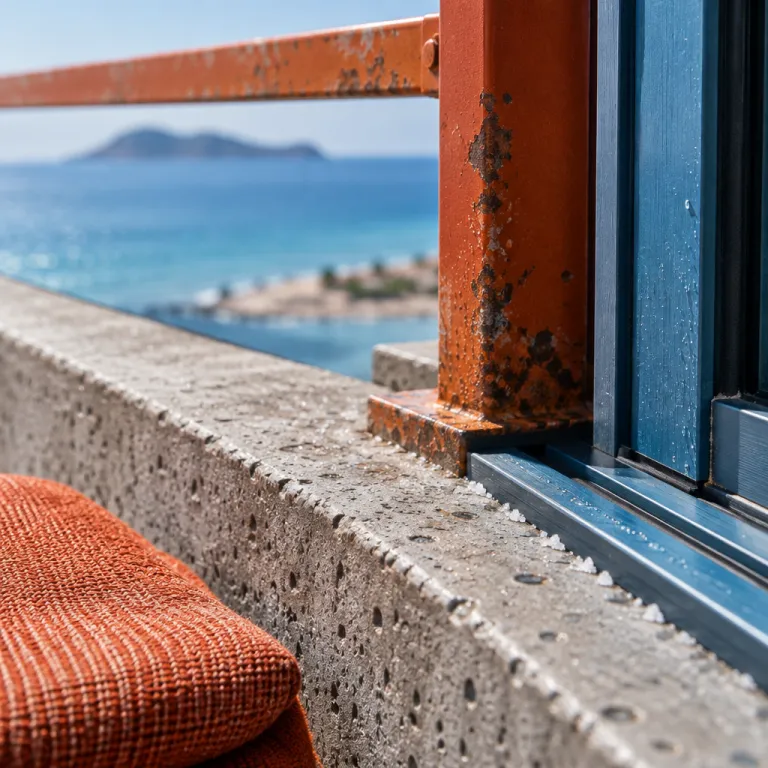
Red Sea in July: where island rooms beat the mainland heat
Red Sea hotels in July summer conditions demand a different strategy. When Riyadh and inland Saudi Arabia push toward 45 °C, a well planned stay at island resorts on the Red Sea turns that same heat into an asset for families. The combination of constant sea breeze, carefully oriented beachfront villas, and direct water access changes how guests actually feel the temperature.
Average July air temperatures around the central Red Sea coast typically reach 38–40 °C, yet the perceived heat on a shaded beachfront deck is very different from a concrete city pool. According to climate data from the Saudi National Center for Meteorology (multi year averages published 2020–2023) and regional summaries on Climate-Data.org (accessed May 2024), daytime highs can exceed 40 °C while Red Sea surface temperatures average around 29 °C in midsummer. That contrast explains why island resorts lean into water based experiences. For premium family travelers comparing hotels across Saudi Arabia, the question is not whether it is hot, but whether the resort design, wellness programming, and activity planning make that heat work for you.
On the Red Sea coast, luxury resorts are built around shade, cross ventilation, and short walking distances between room, pool, and sea. That is where the main SEO question around July stays at Red Sea hotels really matters, because not every sea resort in Saudi Arabia is created equal for peak season. The smartest properties treat the Red Sea itself as the primary cooling system, then layer in wellness facilities, indoor kids’ clubs, and late afternoon experiences that keep families outside when the light softens and the breeze rises.
Shura Island and the new Red Sea summer equation for families
Shura Island is the clearest example of how Saudi Arabia is rewriting the Red Sea summer story. Anchored by the Four Seasons Resort on Shura Island, this sea resort stretches along roughly 1.3 km of soft beachfront, giving guests multiple orientations to the sea and the red tinted sunsets that define this coastline. The drive from Red Sea International Airport to the island’s arrival jetty is planned at around 20–30 minutes under normal conditions, based on current project briefings and transport outlines released in 2023, which means families can move from aircraft door to shaded villa terrace with minimal exposure to peak heat.
For premium families, the layout matters as much as the brand name on the hotel. Villas and suites are arranged to maximise shade, with many paths running parallel to the sea so that the prevailing breeze reaches guests walking between pools, restaurants, and wellness spaces. A typical beachfront villa category on Shura Island, for example, might sit within a shaded three to five minute walk of both the main family pool and the jetty, keeping most daily movements under 300–400 m in the sun. When you read about booking patterns in high season, guides such as this analysis of where coastal rooms sell out and where they do not underline how quickly the best located beachfront categories disappear for July.
Families choosing between different Red Sea resorts should look beyond generic luxury labels. On Shura Island, the focus is on layered experiences: early morning snorkelling when the sea is glassy, shaded kids’ pools by late morning, then indoor wellness or kids’ clubs during the hottest hours. By late afternoon, when the sun drops and the red glow returns to the horizon, the resort opens up again with boat trips, gentle golf practice on short game areas, and relaxed dinners that still feel connected to the sea without forcing anyone to endure the harshest heat.
Design that cools: from Shebara to Desert Rock and Southern Dunes
Not every Red Sea project handles July in the same way, and that is where design separates marketing from real comfort. Properties such as Shebara, part of The Red Sea destination and confirmed in official project releases under that spelling, use overwater and island based structures to keep rooms closer to the sea breeze, while other resorts inland lean on heavy air conditioning rather than smart orientation. For families, that difference shapes whether a July stay at Red Sea hotels feels like a wellness retreat or a sealed indoor escape.
The wider Red Sea Project, often simply called the sea project, includes contrasting concepts such as Southern Dunes and Desert Rock. At Southern Dunes, the design leans into desert silence and night sky experiences, while Desert Rock and the planned Rock Resort carve rooms into the landscape to reduce direct sun exposure. These inland resorts can be compelling for short stays, yet for long July holidays with children, most premium families still prefer island or pure beachfront resorts where the sea itself does much of the cooling.
Looking ahead, the Six Senses property at Amaala’s Triple Bay, often referenced as part of the Senses Southern narrative, will add another layer to this equation. Early previews, including this detailed look at the Six Senses Amaala spring opening, suggest a strong focus on integrated wellness, shaded pathways, and indoor outdoor suites that work for summer. For now, though, the most practical July strategy is to prioritise resorts where every key family experience — from breakfast to kids’ play to evening dining — can stay within a short, shaded walk of the water.
Practical July planning: activities, wellness, and cooler mountain escapes
Once you have chosen your Red Sea destination, the daily rhythm becomes the real luxury. In July, the smartest families treat the sea as their main playground before 10 a.m., when snorkelling, diving, and boat excursions feel refreshing rather than intense. Popular Red Sea island resorts report that “What activities are popular in Red Sea resorts? Snorkeling, diving, and beach relaxation.”, and those same experiences become even more appealing when the sea temperature sits around 29 °C.
During the middle of the day, the best resorts shift focus to wellness, shaded kids’ clubs, and calm indoor experiences. Properties aligned with brands such as Nujuma, a Ritz-Carlton Reserve, or St. Regis Red Sea — sometimes shortened by travellers to Nujuma Ritz or Regis Red — typically offer strong spa programmes, quiet reading lounges, and family suites designed for relaxed indoor time. When you plan a July itinerary at Red Sea hotels, look for resorts that publish clear information about shaded pools, lifeguard presence, and children’s programming, because that is where premium family stays move from basic to genuinely luxury.
To make that planning easier, many families now use simple checklists: early morning water time, midday indoor options, and late afternoon outdoor experiences. A typical July day might look like this: snorkelling or reef trips before breakfast, shaded beach play and kids’ pools until late morning, then spa, naps, or kids’ clubs through the hottest hours, followed by sunset walks, short golf sessions, or relaxed dinners by the water. For travellers who find even coastal heat challenging, combining a week on the Red Sea with a few cooler nights in Aseer or Taif — both significantly milder thanks to elevation and mountain breezes — creates a balanced Saudi Arabia itinerary that still feels like one coherent experience rather than a compromise.
FAQ: Red Sea island stays in July
Is July too hot for a family holiday on the Red Sea in Saudi Arabia ?
July is undeniably hot, with daytime temperatures often around 40 °C, but island and beachfront resorts mitigate this through constant sea breezes, shaded design, and easy access to the water. For families who structure their day around early mornings and late afternoons outside, with indoor wellness or kids’ activities at midday, a July stay at Red Sea hotels can feel surprisingly manageable. The key is choosing resorts that are built around the sea rather than simply near it.
How warm is the Red Sea water in July, and is it comfortable for children ?
Sea temperatures in July typically sit close to 29 °C, which feels pleasantly warm for long swims and snorkelling sessions. That warmth means children can stay in the water without getting chilled, turning the sea into a natural cooling system during the hottest weeks. Parents should still plan for sun protection, hydration, and regular breaks in the shade between water based experiences.
Which Red Sea resorts work best for premium families in peak summer ?
For July, island based resorts such as those on Shura Island or Shebara tend to offer the most comfortable balance of heat and breeze. Families should prioritise hotels with shaded kids’ pools, strong wellness and spa facilities, and short, covered walkways between rooms, restaurants, and the sea. Properties linked to high end brands like Nujuma, a Ritz-Carlton Reserve, or St. Regis Red Sea usually meet these criteria, but layout and orientation still matter more than the logo on the door.
How does staying on the beach compare to a city or desert resort at 45 °C ?
At 45 °C in a city or inland desert resort, concrete and still air can make even short walks feel draining. On a beachfront or island resort, the same air temperature is moderated by sea breezes, evaporative cooling from the water, and abundant shade, so time outdoors remains realistic in the early morning and late afternoon. That is why many frequent travellers now treat Red Sea island stays as their default Saudi Arabia summer base, using inland destinations only for shorter, carefully timed side trips.
Can I combine a Red Sea stay with cooler mountain destinations in one Saudi trip ?
Combining the Red Sea with Aseer or Taif works particularly well in July, because the mountains offer significantly cooler air and a different set of experiences. Many travellers fly into a major international airport, spend a week at a sea resort, then connect onward to the highlands for hiking, traditional souqs, and misty mornings. This two stop approach keeps the focus on wellness and comfort while still showcasing the range of landscapes that Saudi Arabia now offers to premium families.