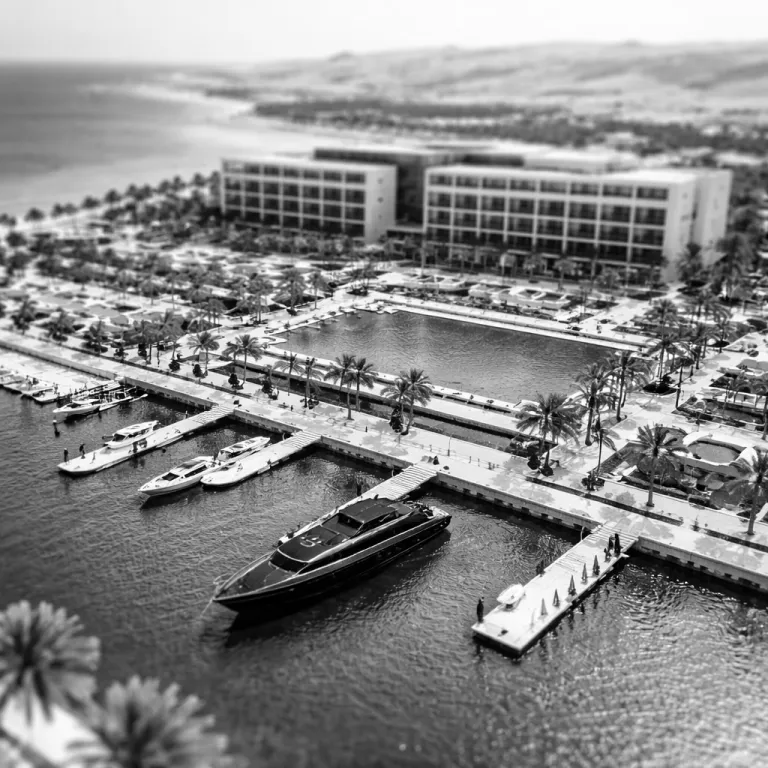
Why curation matters for luxury hotels in Saudi Arabia
For couples planning a first journey through the luxury hotels of Saudi Arabia, the hardest part is not finding options but filtering them. Saudi Arabia is in the middle of a hospitality boom, with new sea resort projects on the Red Sea coast and ambitious desert retreats opening faster than most travelers can track, so a curated shortlist becomes more valuable than a long directory. When you are choosing between villas on the sea coast, a desert rock resort in AlUla or a palace-style city hotel in Riyadh, you need someone to quietly separate genuine hospitality from glossy renderings.
The case for curation starts with time and trust, because a couple planning a five-night private retreat does not want to check availability across dozens of hotels using similar marketing language. Official data from the Saudi Ministry of Tourism and the Saudi Tourism Authority already points to several dozen upscale and luxury hotels nationwide, and that number will rise sharply as new resorts on the Red Sea and inland desert settings open, so the volume alone can feel overwhelming. A focused guide to high-end hotels in Saudi Arabia should highlight the dozen properties that consistently deliver on service, privacy, dining and sense of place, while clearly explaining why others are better left for a second or third visit.
On mysaudiarabiastay.com, we apply a simple test before adding any hotels to our list, and it goes far beyond marble lobbies or a famous brand name. A property must offer a distinctive setting, whether that is a sea Saudi escape on a quiet stretch of sea coast or a desert rock landscape carved into sandstone, and it must show real courtesy in service standards rather than scripted lines. We also look at operational maturity, checking whether a resort has moved beyond opening hype into reliable availability, consistent dining quality and thoughtful details such as solar powered systems, freshly baked bread at breakfast and intuitive privacy in villas or suites.
The twelve stays that earn their rate in luxury hotels saudiarabia
When you strip away the noise, a dozen properties currently justify their nightly rate for couples seeking luxury hotels in Saudi Arabia with real depth. In Riyadh, The Ritz-Carlton, Riyadh stands out for its scale and ceremony, offering 492 rooms, formal gardens and a level of urban hospitality that still feels rare in Saudi Arabia, while Four Seasons Hotel Riyadh at Kingdom Centre delivers sharper contemporary lines and direct access to the city’s most recognisable tower. These city hotels are not retreats in the desert or on the Red Sea, but they anchor any itinerary that begins or ends in the capital and they set a high bar for service courtesy and dining consistency.
Beyond these two anchors, ten further stays round out a realistic shortlist of luxury hotels in Saudi Arabia for couples. In Riyadh, The St. Regis Riyadh brings a more intimate, butler-led experience and a design language that feels closer to a Carlton Reserve than a mega-hotel, while in Jeddah, The Ritz-Carlton, Jeddah offers sea-facing suites on the corniche and grand ballrooms that suit milestone celebrations. On the Red Sea, Nujuma, a Ritz-Carlton Reserve, focuses on overwater-style villas and a marine setting that feels closer to a thuwal private island than a traditional city resort, while Rosewood AMAALA is positioned as an ultra-luxury sea resort with private pools, wellness pavilions and a strong sustainability brief.
AlUla remains the emotional heart of luxury hotels in Saudi Arabia, and it is here that the contrast between rock resort concepts becomes most interesting for couples. Banyan Tree AlUla, with its desert villas and tented suites, offers a dramatic desert rock setting that feels cinematic at sunset, while Habitas AlUla uses low-slung villas and communal spaces to create a relaxed private retreat in a sandstone valley. Dar Tantora The House Hotel adds a heritage layer with restored mudbrick houses in the old town, and upcoming boutique projects linked to creative figures such as Scott Campbell hint at a more art-driven approach to desert hospitality. Rounding out the twelve, Sofitel Jabal Omar Makkah represents purpose-driven luxury defined by proximity to the Haram, and heritage-focused hotels in Diriyah offer low-rise architecture, traditional courtyards and cultural programming that contrasts sharply with glass-and-steel city towers.
For readers who want to go deeper into how these elite properties compare on privacy, service and sense of place, our detailed guide to elite hotels in Saudi Arabia redefining luxury and exclusivity breaks down each stay with on-the-ground observations. It explains why some resorts on the Red Sea coast justify their premium rates through design and sustainability, while others still feel like work in progress despite impressive renderings. That level of scrutiny is essential when you are choosing where to set your anniversary dinner, your first desert retreat or your only sea-facing weekend of the year.
Red Sea versus desert rock: choosing your first Saudi luxury setting
For a first trip focused on luxury hotels in Saudi Arabia, the most important decision is often not the brand but the landscape. Couples usually choose between a Red Sea escape with direct access to the water and a desert rock retreat in AlUla or the interior, and each setting shapes the rhythm of your days and nights. A sea resort on the sea coast offers morning swims, boat trips and long lunches, while a desert retreat trades that for silence, stargazing and the feeling of being wrapped in sandstone.
On the coast, new sea resort projects along the Red Sea are positioning themselves as the future of sea global luxury travel, with villas that open directly onto the water and long stretches of protected sea Saudi shoreline. These resorts often highlight solar powered infrastructure, marine conservation and low-density planning, which matters if you care about how your stay impacts the surrounding Arabia red ecosystems. The tradeoff is price, because early opening properties such as Nujuma or similar ultra-luxury resorts tend to command rates that rival the Maldives, so you need to check availability early and decide whether that first trip should be about the sea or about culture.
Inland, desert rock landscapes around AlUla and other regions offer a different kind of luxury, one that is less about infinity pools and more about the sound of wind against stone. Properties like Banyan Tree AlUla and other rock resort concepts use the natural rock formations as a backdrop for villas and tents, creating a private retreat feel even when occupancy is high. For couples who value privacy and atmosphere over water sports, this desert setting often becomes the better first choice, while a Red Sea stay can wait for a second visit when more resorts are open and availability is easier to manage through a dedicated luxury hotel platform in Saudi Arabia.
The quiet underdog: Habitas AlUla and the power of restraint
Amid the headlines about mega projects and new luxury hotel openings, Habitas AlUla remains the quiet underdog that many couples end up preferring. It does not have the grand arrival of a palace-style hotel or the name recognition of a Ritz-Carlton or a Regis-branded property, yet its low-slung villas and communal spaces feel perfectly set within the desert rock valley. The hospitality here is less about formality and more about relaxed courtesy, which suits travelers who want to feel part of a temporary community rather than guests in a grand resort.
Rooms are designed as private retreat spaces, with terraces facing the rock walls and interiors that prioritise natural materials over heavy ornament, and the result is a setting that feels both contemporary and rooted in Arabia. Dining leans into freshly baked breads, local ingredients and shared plates, which encourages couples to linger in the main restaurant rather than retreat immediately to their villas after sunset. This is not the place for a Regis red carpet arrival or a Carlton Reserve style lobby, but it is where many well-traveled guests quietly return when they want the desert without the performance.
Habitas also illustrates how a resort can feel luxurious without leaning on ultra high-tech features, instead focusing on experiences such as guided hikes through desert rock formations, open-air concerts and stargazing sessions that make the most of the dark sky. For couples who have already tried sea resort stays on the Red Sea coast, this kind of desert hospitality often becomes the highlight of their Saudi Arabia itinerary, precisely because it feels human scale and emotionally resonant. When you check availability here, you are not just booking a room, you are choosing a slower rhythm that balances well with a few nights in Riyadh or Jeddah at more formal hotels.
Contrarian choices: Diriyah heritage stays and Makkah for purpose driven travel
Not every couple planning a high-end Saudi Arabia itinerary wants a remote resort, and some of the most rewarding stays sit within historic urban settings. Diriyah, on the edge of Riyadh, is emerging as the contrarian choice for travelers who prefer heritage over high-rise glamour, with restored mudbrick houses and low-rise hotels that echo the architecture of old Arabia. Choosing a Diriyah stay over a new mega project suite means trading a sea resort view for the sound of evening prayers and the texture of centuries-old walls.
For pilgrims, Sofitel Jabal Omar Makkah represents a different kind of luxury, one defined by proximity and purpose rather than pools and spas. As the world’s largest Sofitel, with more than one thousand rooms set across two towers, it is designed to handle peak Hajj and Umrah demand while still offering the brand’s signature bedding, dining options and service courtesy. Here, the key question is not whether the villas have private pools but how efficiently you can move between your room and the Haram, so when you check availability you are really checking how this hotel fits the spiritual rhythm of your journey.
These contrarian picks also highlight the importance of clarity when booking through any platform focused on luxury hotels in Saudi Arabia, because the expectations for a heritage stay or a pilgrimage hotel differ sharply from a Red Sea resort. A Diriyah property might emphasise cultural programming, guided walks and traditional freshly baked breads, while a Makkah hotel prioritises crowd management, prayer space access and quiet rooms despite the density. For couples, mixing one of these purpose-driven stays with a few nights at a sea resort or desert retreat can create a more balanced itinerary that reflects both the spiritual and leisure sides of Saudi travel.
How to plan your Saudi itinerary: first visit versus second visit priorities
Planning an itinerary around luxury hotels in Saudi Arabia works best when you accept that you cannot do everything in one trip. A first visit should prioritise a clear narrative, usually combining Riyadh or Jeddah with either a Red Sea stay or a desert rock retreat, rather than trying to tick every new resort on the map. Couples who focus on two or three settings tend to remember the feeling of each place more vividly, from the sea breeze on the sea coast to the silence of a private retreat in the desert.
For a first journey, I usually recommend starting with two nights in Riyadh at The Ritz-Carlton, Riyadh or Four Seasons Hotel Riyadh, then flying to AlUla for three nights at Banyan Tree AlUla, Habitas or Dar Tantora, depending on whether you prefer villas, tents or historic houses. This combination gives you a taste of urban hospitality, desert rock landscapes and cultural depth without the logistical complexity of adding a Red Sea leg, especially while some sea resort projects are still ramping up operations and availability. On a second visit, you can then build a Red Sea focused itinerary, perhaps combining Rosewood AMAALA with another sea resort along the coast, using a detailed resort map approach similar to the one we explain in our guide to how a resort map elevates luxury trip planning.
Throughout this planning, the practical steps remain the same: check availability early, especially for peak seasons and for villas with private pools, and pay attention to transfer times between cities, desert areas and the sea coast. Look for signs of thoughtful sustainability, such as solar powered systems, water conservation and low-impact lighting, because these details often correlate with better overall management and service. Finally, trust your instincts when reading about hospitality style, whether that is the formal courtesy of a Ritz-Carlton, the relaxed tone of a desert retreat or the emerging personality of new brands linked to names like Scott Campbell or Regis red collaborations, and choose the setting that matches how you actually like to travel rather than what looks impressive online.
Key figures shaping luxury hotels in Saudi Arabia
- Saudi Tourism Authority data and Ministry of Tourism statements indicate that dozens of upscale and luxury hotels are currently operating in Saudi Arabia, a base that is expected to grow significantly as new Red Sea and desert resorts open over the coming years. For example, the Ministry’s 2023 tourism performance report outlines a pipeline of high-end projects across the kingdom.
- The Saudi Ministry of Tourism reported tourism revenue of roughly 100 billion SAR (around 26–27 billion USD) for 2023, underlining how quickly high-end hospitality, including sea resort projects and desert retreats, is becoming a central pillar of the national economy. This figure was highlighted in ministry briefings and Saudi Press Agency coverage in early 2024.
- More than 25 additional luxury hotel openings have been announced for the near term across Red Sea, desert and city locations, which will intensify competition among resorts and make curation more important for travelers choosing between sea, desert and city settings. Many of these projects are referenced in official Vision 2030 tourism updates.
- New coastal developments along the Red Sea are designed with lower density than many traditional mass tourism projects, aiming to protect the sea coast while still offering villas, private retreat spaces and high-end dining. Masterplan summaries released by developers and covered by the Saudi Press Agency emphasise conservation zones, solar powered infrastructure and strict building footprints.
FAQ about luxury hotels in Saudi Arabia
What are the top luxury hotels in Saudi Arabia for a first visit ?
For a first trip focused on luxury hotels in Saudi Arabia, a strong combination is The Ritz-Carlton, Riyadh or Four Seasons Hotel Riyadh for the capital, paired with Banyan Tree AlUla or Habitas AlUla for a desert rock retreat. Couples who want a sea resort element can add a few nights at Rosewood AMAALA on the Red Sea once availability aligns with their dates. This mix balances city energy, cultural depth and either desert or sea coast relaxation.
Are there luxury hotels in the Red Sea region of Saudi Arabia ?
Yes, the Red Sea region is one of the most active fronts in the expansion of luxury hotels in Saudi Arabia, with projects such as Rosewood AMAALA leading the way. These sea resort developments focus on villas, private pools and direct access to the sea coast, often supported by solar powered infrastructure and conservation programs. Travelers should check availability early, as opening phases usually mean limited inventory and high demand.
Do luxury hotels in Saudi Arabia incorporate cultural heritage ?
Many of the most interesting luxury hotels in Saudi Arabia are built around heritage rather than replacing it, especially in AlUla and Diriyah. Dar Tantora The House Hotel, for example, uses restored mudbrick houses to create a private retreat that feels embedded in the old town, while planned properties in Diriyah echo traditional Najdi architecture. This approach allows couples to enjoy high-end hospitality and modern dining while staying within settings that reflect the history of Arabia.
How far in advance should I book luxury hotels in Saudi Arabia ?
For peak seasons such as cooler winter months, major events or Hajj and Umrah periods, it is wise to check availability several months in advance, especially for villas and suites with private pools or direct sea views. Desert rock retreats in AlUla and sea resort properties on the Red Sea often run at high occupancy during these windows, so last-minute options can be limited. Booking early also gives you more flexibility to align city stays, desert retreats and sea coast nights into a coherent itinerary.
What should couples look for when choosing between different Saudi luxury resorts ?
The most important factors are setting, service style and operational maturity, rather than just brand names or newness. Couples should decide whether they want a sea resort on the Red Sea, a desert rock retreat in AlUla, a heritage stay in Diriyah or a city base in Riyadh or Jeddah, then compare how each hotel handles hospitality, dining, privacy and sustainability. Reading detailed, unsponsored reviews and paying attention to small details such as freshly baked breakfast items, staff courtesy and realistic photos will help you choose the right private retreat for your style of travel.
References
- Saudi Tourism Authority – annual tourism performance updates and sector statistics (accessed 2024)
- Saudi Ministry of Tourism – 2023 tourism performance report and Vision 2030 hospitality pipeline summaries (accessed 2024)
- Saudi Press Agency – coverage of Red Sea and AlUla development announcements, tourism revenue figures and hotel openings (2023–2024)