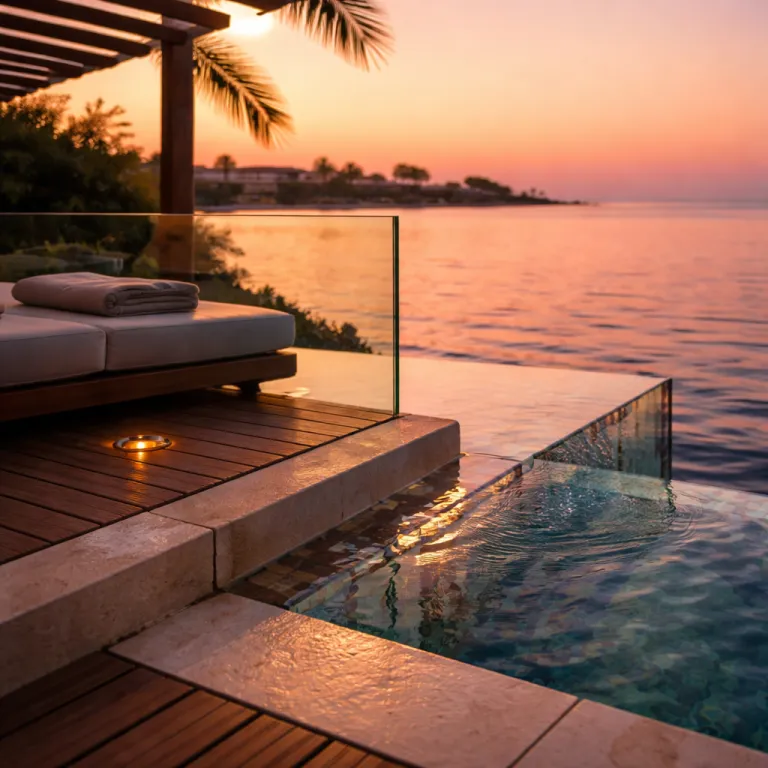
Red Sea Project luxury resorts and the new Saudi beachfront reality
The Red Sea Project luxury resorts sit on a 28,000 square kilometre stretch of sea and desert along the western coast of Saudi Arabia. This ambitious coastal development, led by Red Sea Global, originally promised dozens of properties yet now focuses on fewer, sharper openings that matter more for discerning couples from Saudi Arabia. For travellers who care less about glossy renderings and more about the feel of a room at dusk, this recalibration is good news.
Across this coastline, the contrast between the red desert and the clear Red Sea creates a setting that feels almost cinematic. You move from sculpted dunes to a quiet island jetty in under an hour, then step into a luxury hotel that tries to balance global polish with a sense of Arabian identity. The question for any Saudi couple booking a Red Sea resort here is simple: which property genuinely earns its nightly rate today.
Seven resorts are already open within the wider Red Sea Project, with more planned as the destination advances toward its long term targets. Officially, “The Red Sea Project is a luxury tourism initiative in Saudi Arabia focusing on sustainable development.” That sustainability promise matters when you realise the destination includes more than 90 islands, fragile coral systems and desert rock formations that cannot be rebuilt once damaged.
Mainland versus islands: Southern Dunes, Desert Rock and the case for staying on shore
On the mainland, Six Senses Southern Dunes positions itself as the thoughtful counterpoint to the island fantasy. Here, the drama is not the sea but the desert, with villas and suites arranged to frame the shifting light on surrounding rock and distant mountains. Couples from Saudi Arabia who already know the Red Sea coastline may find this inland setting more original, especially when the night sky feels close enough to touch.
Southern Dunes leans into wellness and silence rather than beach clubs and boat transfers. You come here for long spa rituals, serious wellness programs and the kind of room where the only soundtrack is wind over sand, not a DJ by the pool. For a luxury hotel booking platform focused on Saudi Arabia, this resort becomes the obvious recommendation for travellers who want a desert reserve experience without sacrificing polished service or contemporary design.
Further into the interior, the Desert Rock concept carves suites and villas into the cliffs, turning the desert itself into architecture. It is still part of the same Red Sea Project luxury resorts narrative, yet it answers a different brief from the island resorts that dominate marketing. If you are used to classic sea resort stays in places like the Maldives or a Four Seasons style retreat in Mozambique, this mainland cluster offers a contrasting chapter to the usual island story, similar in ambition to the luxury island retreats highlighted in guides to premium island accommodation in Africa.
Shura Island, Foster + Partners and the architecture of a new archipelago
Offshore, Shura Island is the visual emblem of the Red Sea Project luxury resorts, its Coral Bloom masterplan created by Foster + Partners. The idea is to let the island read as a natural extension of the surrounding marine environment, with low slung villas and curved roofs echoing dunes rather than dominating them. In practice, the balance between architectural ambition and day to day livability is what Saudi couples will notice once the first full wave of openings arrives.
Shura Island is also where the InterContinental Shura Island and several other resort brands will cluster, creating a dense luxury hotel neighbourhood in the middle of the sea. That density raises a practical question: will couples feel they are in a serene reserve or in a floating global mall with palm trees and golf carts. Early signs from preview stays suggest that careful zoning and beach orientation will decide whether Shura becomes shorthand for calm or for crowds.
For now, the most compelling argument for Shura Island lies in its position within the wider destination and its direct access to both lagoon and outer reef. Boat transfers from the mainland take you across a scatter of small islands, some part of protected Ummahat-style reserves, others earmarked for future resort developments. If your priority is a front row seat on the Red Sea itself, this is where the long term cluster of Red Sea Project luxury resorts will likely feel most complete, complementing the mainland properties already featured in curated roundups of luxury beachfront hotels in Saudi Arabia.
Nujuma, Ritz Carlton Reserve and the Ummahat Islands price question
Out in the Ummahat Islands, Nujuma, a Ritz-Carlton Reserve, is the property that has drawn the most global attention and the sharpest rate debates. With nightly rates that can exceed 3,000 dollars in peak periods, this Nujuma Ritz outpost positions itself as the crown jewel of the Red Sea Project luxury resorts portfolio. The question for Saudi Arabia based couples is whether the combination of privacy, design and service justifies that ceiling when compared with other global island icons.
The resort sits on a private island within the Ummahat Islands cluster, with overwater villas and beach villas arranged to maximise both sunrise and sunset views over the Red Sea. Each room category feels more like a standalone residence, with generous decks, plunge pools and direct access to the sea, while the interior design nods to Arabian heritage without slipping into cliché. For travellers used to staying at a Ritz-Carlton in cities like Riyadh or Jeddah, the shift from urban tower to island reserve is dramatic and, for many, worth the premium.
Service at Nujuma leans heavily into personalised wellness and curated experiences, from reef snorkelling with marine biologists to desert excursions that connect the coastal project back to its inland landscapes. Early guest feedback on specialist booking platforms highlights staff who “remember preferences from day one” and “make the island feel like a private home.” Couples can move between spa rituals, private dinners on the sand and quiet hours in their villas without ever feeling rushed, which is exactly what a Reserve level property should deliver. If you value deep privacy and are comfortable with the rates, this is the resort that currently feels closest to fully realising the original Red Sea Project promise.
St. Regis Red Sea, The Red Sea EDITION and how to choose the right stay
Alongside Nujuma, the St. Regis Red Sea Resort, often referred to as the St. Regis Red Sea, brings a familiar luxury hotel brand into an unfamiliar landscape. Operated by Marriott International, it aims to translate the St. Regis urban glamour into a more relaxed resort rhythm, with butler service and strong food and beverage programs as its calling cards. For Saudi couples who already trust the brand from stays in Abu Dhabi or New York, that consistency can be reassuring when trying a new coastline.
The Red Sea EDITION, named by some international outlets as a standout new opening, plays a different game with sharper architecture and a more contemporary social energy. Here, the focus is on public spaces, from a sculpted pool deck facing the Red Sea to restaurants that feel more like standalone venues than hotel outlets, which suits couples who enjoy a livelier scene. The gap between glossy renderings and on the ground execution is narrowing, yet travellers booking through a Saudi Arabia focused platform should still read recent guest feedback carefully before committing to the highest room categories.
Looking ahead, Raffles The Red Sea and other planned openings on Shura Island will add more layers to this already complex coastal project. As more brands arrive, the role of a curated booking site for Saudi Arabia becomes less about listing every resort and more about editing, steering couples toward the properties that genuinely deliver on service, wellness and sense of place. For travellers who value atmosphere as much as architecture, guides to intimate stays such as hotels with fireplaces in rooms for a warm retreat offer a useful parallel in how to read beyond brand names.
Practical booking intelligence for Saudi couples: transfers, seasons and value
Choosing between these Red Sea Project luxury resorts starts with a simple matrix: mainland desert, near shore island or remote reserve. Mainland options like Southern Dunes and Desert Rock minimise transfer time and weather risk, while island properties on Shura Island or the Ummahat Islands deliver that classic resort arrival by boat. For Saudi Arabia based travellers flying in from Riyadh, Jeddah or Dammam, the total journey time from home to room can be as important as the thread count.
Boat transfers and, in some cases, helicopter hops are not just glamorous extras but structural parts of the experience and the bill. A private transfer to an island reserve such as Nujuma can feel magical at sunset, yet couples should factor both cost and potential sea conditions into their planning, especially outside the calmest months. Booking through a specialist Saudi platform that understands these nuances can help you align flight times, transfer windows and check in so the first hours of your stay feel seamless rather than fragmented.
Seasonality also shapes value across the wider portfolio, with shoulder periods often offering the best balance between price, temperature and occupancy. A room at a Ritz-Carlton Reserve level property or a Four Seasons style brand may feel significantly better value when the resort is at half capacity and staff have more time for personalised touches. For couples who travel often within Saudi Arabia and beyond, the smartest strategy is to treat the Red Sea Project as a long term playground, returning to different resorts and islands over several years rather than trying to compress every experience into a single, expensive stay.
FAQ
What is the Red Sea Project in Saudi Arabia ?
The Red Sea Project is a large scale luxury tourism initiative on the west coast of Saudi Arabia, developed by Red Sea Global. It spans around 28,000 square kilometres of sea, islands and desert, with a long term plan for 50 high end resorts. The focus is on sustainable development that protects coral reefs, wildlife and sensitive desert landscapes while attracting international and regional visitors.
How many islands and resorts are planned in the Red Sea area ?
The wider Red Sea destination includes more than 90 islands, many of them uninhabited and environmentally sensitive. Current plans call for 50 resorts across both mainland and island sites once the project is fully completed, though the rollout has been deliberately phased and scaled to protect the environment. Only a small number of resorts are open today, with more scheduled over the coming phases.
Which Red Sea Project resorts are best for Saudi couples seeking privacy ?
For maximum privacy, Nujuma, a Ritz-Carlton Reserve on the Ummahat Islands, stands out thanks to its large villas, generous spacing and strong focus on personalised service. Mainland properties like Southern Dunes and Desert Rock also offer seclusion, with fewer rooms and wide open desert surroundings instead of busy promenades. Couples should look for resorts with private pools, low villa density and strong in room dining to maximise time together.
How sustainable are the Red Sea Project luxury resorts in practice ?
Developers have committed to using renewable energy, limiting overwater construction and protecting coral reefs through strict marine zoning. Many resorts are built with eco friendly materials and smart systems that reduce water and energy consumption, while some islands are designated as reserves with no permanent development. Travellers can expect ongoing monitoring and adjustments as the destination grows, with sustainability remaining a central part of the official strategy.
When is the best time of year to visit the Red Sea resorts ?
The most comfortable months for couples from Saudi Arabia are generally the cooler periods, when daytime temperatures are warm but not extreme and evenings are pleasant outdoors. Shoulder seasons often provide a good balance of value and weather, with fewer crowds and more personalised service. During the hottest months, mainland desert properties can feel intense at midday, while island resorts benefit from sea breezes but may still require careful planning around sun exposure.
Sources
Red Sea Global; Daily Sabah; Forbes Travel Guide; Marriott International; Ritz-Carlton Reserve.