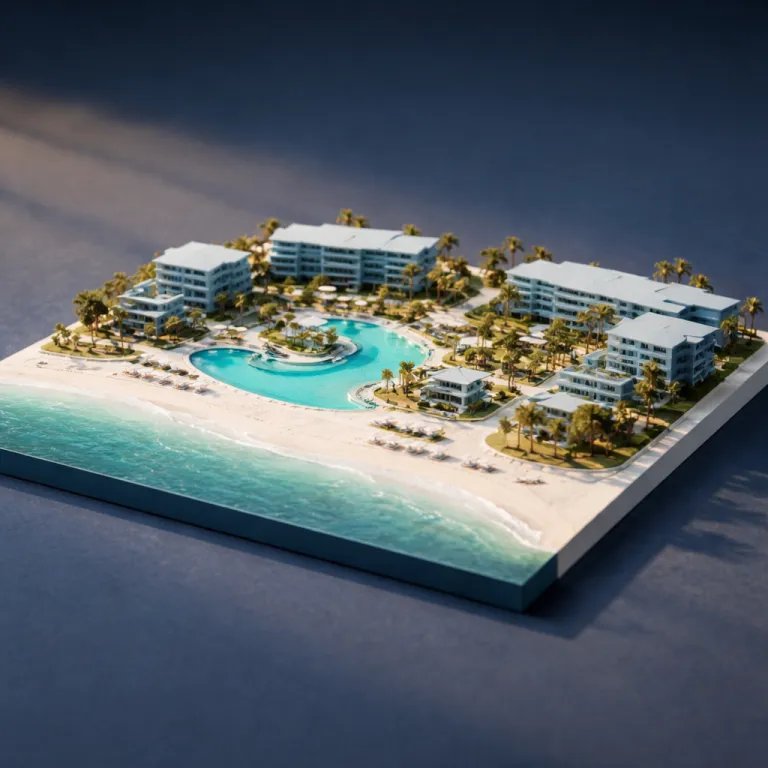
How this hotel guide Saudi Arabia filters real family ready luxury
Saudi Arabia now has enough luxury hotels that premium families can be selective. A serious hotel guide Saudi Arabia must separate properties that simply welcome children from those that genuinely work for multi generational travel across the kingdom. In a landscape where more than 171,650 hotel rooms already operate and 94,500 rooms are under construction nationwide, according to Saudi Ministry of Tourism and STR Global pipeline data published in late 2023, choice without curation quickly becomes noise.
For this hotel guide Saudi Arabia, the baseline is clear and unapologetic. Families need rooms that actually sleep four or more without rollaway chaos, kids' club spaces that are more than supervised screens, and food and beverage that respects picky eaters while still feeling like a treat for parents. We also look at how each city hotel or resort handles heat, prayer times, and privacy, because those details shape every day of a Saudi family trip.
Across Riyadh, Jeddah, Dammam, AlUla, the Red Sea coast and Madinah, we focus on hotels where the promise of five stars matches the lived experience with children. International hotel chains such as Accor and regional leaders compete with independent properties, all under the regulatory eye of the Saudi Arabian government through the Ministry of Tourism. The result is a fast maturing luxury scene in Saudi Arabia, but only a fraction of these hotels are truly calibrated for premium family travel.
Our criteria go beyond glossy lobby marble and high thread count sheets. We look for kids' club teams that design activities rooted in Arabian culture rather than generic crafts, and for outdoor programming that gets children close to the desert, the sea, and heritage sites without exhausting them. We also test how easy it is to book connecting rooms or private villas online, because no family should need three phone calls to secure a workable configuration.
Business travelers from Saudi and abroad increasingly bring families along, especially when meetings cluster in Riyadh or Jeddah and weekends stretch on either side. That shift pushes city hotels to rethink pools, all day dining, and late check out policies, and the best properties now treat families as core guests rather than seasonal extras. In this guide, every recommended hotel has proved it can handle both business and family needs without sacrificing calm, service, or genuine luxury.
Riyadh with kids: vertical luxury and practical calm at the centre
Riyadh is no longer just a business city with a few grand lobbies. For premium families, the capital now offers a cluster of hotels where pools, malls, and cultural stops sit close enough together to keep transfers short and tempers steady. The Four Seasons Hotel Riyadh at Kingdom Centre remains the reference point, especially for families who want a calm base above the traffic.
At Four Seasons Kingdom Centre, family suites and interconnecting rooms make it easy to keep younger children close without sacrificing privacy. The indoor pool, high floor views over the city, and direct access to the Kingdom Centre mall create a contained world where teenagers can roam safely between cinema, shops, and restaurants. For parents, the ability to book a private car at the porte cochère and be at Diriyah or the National Museum within 20 to 30 minutes keeps sightseeing manageable in the Riyadh heat.
Not every Riyadh luxury address is equally family capable, despite five stars on the façade. Some hotels still lean heavily toward adults focused business travel, with compact rooms, small pools, and lounges that feel more like corporate clubs than family spaces. When you plan a multi stop itinerary across Saudi Arabia, it often makes sense to use Riyadh as a punctuation mark between desert or sea legs, giving children a city break with cinemas, indoor play, and air conditioned malls.
Families interested in heritage should look closely at stays around Diriyah, where new luxury hotels blend Najdi architecture with contemporary comfort. Our detailed review of Diriyah heritage stays beyond the Najdi façade explains which properties genuinely connect you to the old mud brick lanes and which simply borrow the aesthetic. For now, we still recommend keeping at least one night in a central Riyadh hotel, because traffic and distances can stretch even the most patient family.
International operators such as Accor bring global standards to several Riyadh properties, but brand alone does not guarantee family readiness. When you book, ask directly about kids' club programming, connecting room inventory, and whether late check out is realistic on busy weekends. A good Saudi Arabia hotel guide will always flag properties that talk about family friendliness in brochures yet struggle to deliver when occupancy spikes during Riyadh Season.
AlUla and the desert: where luxury lodges finally work for families
AlUla has become the emotional heart of high end travel in Saudi Arabia. For families, the question is no longer whether to go, but which desert lodges can handle different ages without turning parents into full time coordinators. Three names matter most in this hotel guide Saudi Arabia for the coming seasons: Habitas AlUla, Banyan Tree AlUla, and Six Senses Southern Dunes.
Habitas AlUla offers eco lodges scattered along an ancient valley, with programming that finally respects both children and the landscape. Days can include hands on archaeology sessions where kids sift through sand with real tools, vintage Land Rover excursions that trace old caravan routes, and story led evenings under the stars that bring Nabataean history to life. The atmosphere feels more like a relaxed club for curious families than a formal resort, with shared spaces that encourage gentle interaction but enough private terraces for quiet time.
Banyan Tree AlUla, opening fully with expanded family inventory, leans into villa configurations that work for multi generational groups. Several villas pair twin bedded rooms with master suites and outdoor decks, some with stargazing beds where butler teams set up blankets, telescopes, and hot chocolate for children. This is where the desert silence at night becomes a real luxury, especially when younger kids fall asleep early and parents can talk under the Arabian sky without leaving their private space.
Six Senses Southern Dunes, on the mainland desert between Riyadh and the Red Sea, takes a more active approach. Heat protocols matter here: guided walks start early, shaded rest stops dot every trail, and age appropriate excursions keep younger children close to the lodge while teenagers tackle longer routes. At night, the absence of city noise is almost startling, and families who usually live close to highways or sea fronts often comment on how deeply everyone sleeps.
Logistics into AlUla require planning, especially for families combining desert and sea. Flights connect from Riyadh, Jeddah, and Dammam, but schedules shift, so always book with enough buffer between connections and ground transfers. For a deeper reality check on how desert and coastal megaprojects are evolving, our analysis of Red Sea reality versus marketing helps calibrate expectations before you commit non refundable bookings.
Red Sea resorts: calibrating which islands truly suit premium families
The Red Sea coast is where Saudi Arabia's luxury ambitions meet the water. For families, the key question is which islands and mainland resorts have the infrastructure to support children, not just couples seeking quiet. In this hotel guide Saudi Arabia, we draw a clear line between properties that feel like adult sanctuaries and those that welcome younger guests without apology.
Nujuma, a Ritz Carlton Reserve on a private island in the Red Sea, delivers extraordinary villas and service but remains better suited to couples or parents traveling without small children. The atmosphere leans toward hushed romance, and transfer logistics can feel heavy if you juggle nap times, strollers, and beach toys. By contrast, the St. Regis Red Sea positions itself as a family capable resort, with larger villas, kids' club spaces, and more flexible dining that handles both early dinners and late room service for jet lagged teenagers.
On the mainland, Six Senses Southern Dunes acts as a bridge between desert and sea, especially for families who want active days without committing to full island isolation. Here, the focus is on guided hikes, wellness, and cultural programming rather than pure beach time, but the Red Sea remains within a manageable transfer for a second leg. When you plan, remember that transfers between airports, marinas, and resorts can easily stretch to several hours, so build in rest days where you simply stay close to the pool.
Families used to global beach destinations sometimes expect a dense strip of hotels along the sea, but the Saudi Arabia model is different. Projects are more spaced out, with each resort occupying its own stretch of coastline or island, which protects the environment but reduces casual restaurant hopping. That makes on site food and beverage quality critical, especially when you travel with picky eaters who may rotate between the same three dishes for an entire week.
For now, we advise premium families to treat the Red Sea as one focused chapter in a wider Saudi itinerary rather than the sole destination. Combine a few days of sea and snorkelling with time in Riyadh or AlUla, and use domestic flights through Jeddah or Yanbu to keep connections efficient. As more hotels open along the coast, the balance between couples focused and family ready resorts will shift, and we will update this Saudi Arabia hotel guide as that reality changes.
Jeddah, Dammam and Madinah: coastal and spiritual stops that respect family rhythm
Jeddah and Dammam sit on opposite sides of the Arabian Peninsula, but both matter for family itineraries that weave between sea, city, and spiritual stops. Jeddah offers a more layered urban experience, with the historic Al Balad district, the Corniche, and easy access to Red Sea day trips. Dammam, part of the Eastern Province cluster with Khobar and Dhahran, feels more residential and business focused, yet its seafront hotels can provide calm stopovers for families driving across Saudi Arabia.
In Jeddah, premium families should look for hotels along the Corniche that balance sea views with quick access to malls and medical facilities. Several international brands, including Accor operated properties, now offer family suites, kids' pools, and late breakfast windows that respect slower mornings after long travel days. When you book, ask specifically about connecting room guarantees and whether the kids' club runs structured activities or simply opens a room with toys.
Dammam's hotel scene still leans toward business travel, but a handful of higher end properties along the sea front now court families on weekends. These hotels often function as social hubs, with cafés, shisha terraces, and casual restaurants that stay open late, so noise levels can rise around public holidays. If your children sleep lightly, request higher floors or rooms facing away from the main road, and confirm whether the pool has shaded areas during peak afternoon heat.
Madinah requires a different lens entirely, because the focus is spiritual rather than recreational. Here, proximity to the Prophet's Mosque matters more than pools or spas, and families often prioritize hotels that sit close enough to walk with elderly relatives yet far enough to avoid the most intense crowds. Room sizes can be compact near the Haram, so consider booking two interconnecting rooms rather than forcing everyone into one space, especially when you travel with teenagers.
Across Jeddah, Dammam, and Madinah, the same rule applies: do not assume that five stars automatically mean family readiness. Read recent reviews from Saudi and Gulf families, ask hotels direct questions about stroller access, prayer room locations, and breakfast crowd management, and be prepared to trade a little luxury for better logistics. As the national tourism strategy under Vision 2030 pushes for more diverse visitors, coastal and spiritual cities will continue to refine how they welcome premium families from across Arabia and beyond.
How to book smart: timing, transfers and avoiding adults mostly traps
Peak seasons in Saudi Arabia reshape hotel availability and pricing, and families who understand the rhythm win. Hajj, Ramadan, and Riyadh Season from October to March all compress demand, especially in Makkah, Madinah, and the capital, so a serious hotel guide Saudi Arabia always advises early planning. When you travel with children, the cost of last minute improvisation is measured in overtired tears, not just Saudi Riyals.
For premium families, the smartest move is to book core stays three to six months ahead, especially for AlUla, Red Sea resorts, and top tier Riyadh hotels. Use flexible rates where possible, but lock in room types that are scarce, such as two bedroom suites or villas with private pools, because those vanish first. Remember that average nightly rates in Saudi Arabia currently hover around 50 USD for budget, 84 USD for mid range, and 156 USD for luxury, based on STR Global Saudi hotel performance data released in 2023, but peak dates can push top properties well beyond those benchmarks.
Transfers between cities deserve as much attention as the hotels themselves. Domestic flights link Riyadh, Jeddah, Dammam, AlUla, Yanbu, and Tabuk, but schedules can shift, and ground transfers from airports to remote desert or sea resorts often take 60 to 120 minutes. Build in buffer time, carry snacks and spare clothes in hand luggage, and avoid stacking long car rides after late night arrivals whenever possible.
One underused strategy for Saudi based families is pairing domestic trips with international business travel. If a parent already travels for meetings in Europe, for example, combining that with a family stop in Florence can make sense, and our analysis of why Saudi business travellers choose certain conference hotels shows how to evaluate properties for both work and family needs. The same evaluation lens applies back home, where many city hotels in Riyadh and Jeddah now try to serve both conference delegates and weekend families.
Finally, a word on adults mostly properties that still market themselves as family friendly. Some desert lodges and sea resorts quietly prefer couples, limiting kids' club hours, restricting pool times, or offering menus that ignore younger palates, and those signals matter. A trustworthy Saudi Arabia hotel guide will always call out these gaps, so families can choose hotels where children are not just tolerated but genuinely welcomed into the rhythm of Arabian hospitality.
Who shapes Saudi Arabia's luxury hotel landscape for families
Behind every polished lobby and kids' club schedule in Saudi Arabia stands a network of actors reshaping the hospitality map. The Saudi Arabian government, through the Ministry of Tourism, sets regulations and standards that push hotels toward higher quality and more consistent service. International hotel chains bring global expertise, while local owners and developers ensure that properties reflect Saudi culture rather than generic international design.
Government incentives and foreign investment have accelerated construction of new hotels and renovation of existing ones across Riyadh, Jeddah, Dammam, AlUla, and the Red Sea coast. Partnerships with international brands such as Accor, Four Seasons, and Six Senses help raise service levels, but they also introduce global expectations about kids' clubs, family suites, and wellness programming. As Vision 2030 drives tourism growth, the expected impact is clear: a more diverse, resilient sector where premium families from Saudi Arabia and abroad can choose between city towers, desert lodges, and sea resorts without sacrificing comfort.
Families planning trips should remember three simple pieces of advice that apply across the kingdom. "Book accommodations in advance, especially during peak seasons," because last minute options often mean compromised locations or awkward room layouts. "Respect local customs and dress codes," particularly in Madinah and smaller cities, where conservative norms shape how hotels manage pools, gyms, and public spaces.
The final reminder is practical but crucial for any hotel guide Saudi Arabia that takes trust seriously. "Verify hotel amenities and services before booking," especially when you rely on kids' clubs, accessible rooms, or specific dietary needs, because websites sometimes lag behind reality. When in doubt, email the property directly, ask for written confirmation, and keep that thread handy at check in.
As the number of luxury openings grows, families will see more choice than ever, from private villas near the sea to high floor suites above Riyadh's Kingdom Centre skyline. The challenge will not be finding five stars, but choosing hotels where those stars translate into real rest, shared experiences, and a sense of Arabian welcome that children remember long after the trip ends. That is the standard this hotel guide Saudi Arabia will continue to apply as the landscape evolves.
Key figures shaping Saudi Arabia's hotel landscape
- Saudi Arabia currently offers around 171,650 hotel rooms nationwide, a scale that gives premium families meaningful choice across cities, deserts, and coastal regions (Saudi Ministry of Tourism and STR Global data, 2023).
- Approximately 94,500 additional hotel rooms are under construction, signalling rapid expansion that will bring more luxury and family focused properties to emerging destinations such as AlUla and the Red Sea (Saudi Ministry of Tourism and STR Global pipeline data, 2023).
- Average nightly rates sit near 50 USD for budget hotels, 84 USD for mid range stays, and 156 USD for luxury properties, helping families benchmark value when comparing city and resort options (STR Global Saudi Arabia hotel performance data, 2023).
- Peak tourism periods such as Hajj, Ramadan, and Riyadh Season from October to March significantly increase occupancy, so families who travel then should secure bookings several months in advance to access the best room configurations.
- The combination of government incentives, foreign investment, and partnerships with international hotel brands is designed to diversify the economy and strengthen tourism, with family travel seen as a core growth segment rather than a niche.
FAQ: luxury and premium family stays in Saudi Arabia
What are the peak tourist seasons for families in Saudi Arabia ?
The busiest periods are Hajj, Ramadan, and Riyadh Season from October to March, when domestic and international visitors converge on key cities. Families traveling then should book hotels early, especially in Makkah, Madinah, and Riyadh, where demand for interconnecting rooms and suites spikes. Outside these windows, coastal and desert resorts often feel calmer and more spacious.
Are there budget friendly options alongside luxury hotels for Saudi families ?
Yes, every major city in Saudi Arabia offers a spectrum from budget to luxury hotels, with many mid range properties now adding family rooms and basic kids' facilities. Average mid range rates around 84 USD per night allow families to allocate more budget to experiences in AlUla or the Red Sea. Mixing a few nights in simpler city hotels with shorter stays in high end resorts can balance comfort and cost.
Is alcohol served in Saudi Arabian hotels, including luxury resorts ?
No, alcohol is prohibited throughout Saudi Arabia, so even the most luxurious hotels and Red Sea resorts do not serve it. Instead, properties focus on elaborate mocktail menus, specialty coffees, and tea rituals that fit local culture. For many families, this creates a more relaxed environment where shared spaces feel comfortable for all ages.
What currency should families expect to use in Saudi hotels ?
The Saudi Riyal (SAR) is the only currency used for hotel payments, whether you stay in Riyadh, Jeddah, Dammam, AlUla, or coastal resorts. International credit cards are widely accepted at luxury and mid range properties, but carrying some cash helps with tips and small purchases. When comparing prices, remember that many online rates exclude local taxes and service charges.
How can families check if a hotel is genuinely family friendly before booking ?
Start by confirming room configurations, kids' club details, and pool rules directly with the hotel, rather than relying only on marketing labels. Read recent reviews from Saudi and Gulf families, paying attention to comments about noise, breakfast crowds, and staff attitude toward children. A reliable Saudi Arabia hotel guide will also flag adults mostly properties, helping you avoid stays where families feel like an afterthought.