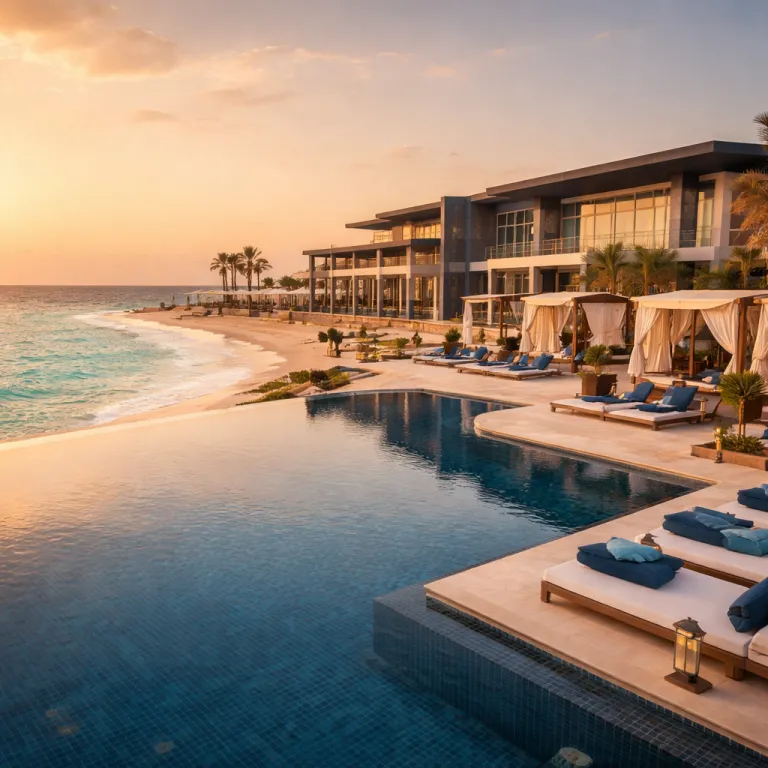
Saudi Arabia’s tourism surge and what it means for luxury stays
Saudi Arabia’s tourism surge has moved from ambition to measurable reality. Official updates from the Saudi Ministry of Tourism and regional economic reporting now frame Saudi Arabia tourism 2026 as part of a structural shift, where non-oil sectors already contribute more than half of national GDP and travel is a central pillar. For high-end travelers planning a tour across the Arabian Peninsula, this means more flights, more hotels and more choice, but also sharper decisions about when and where to seek silence.
The headline numbers are clear enough for any serious travel guide or analyst. According to Ministry of Tourism briefings, international tourist arrivals in 2026 were reported at around 50 million and tourism revenue in 2026 at approximately 150 billion SAR, while domestic tourists in Q1 2026 reached 28.9 million and tourism spending in Q1 2026 reached 34.7 billion SAR. These achieved figures sit alongside Vision 2030 tourism goals, which target 50 million international visitors and 150 billion SAR in annual revenue, and they are reinforced by the Public Investment Fund’s 2026 to 2030 strategy, which locks tourism into long-term planning for Saudi Arabia and for every luxury property now opening its doors.
Behind the numbers, the pattern of who actually arrives in Saudi cities matters for anyone booking premium hotels. Pilgrimage traffic to Mecca and Medina still dominates peak religious days, while leisure travelers stretch their days across Riyadh, Jeddah and the emerging Red Sea and AlUla circuits that define many Arabia tours. For a solo explorer using detailed travel guides or a tailored Arabia itinerary, the best time to visit Saudi is now less about weather alone and more about reading crowd flows created by high-speed connectivity, streamlined visa policies and the rapid expansion of mid-market and luxury hotels.
Where crowds concentrate and where silence survives
Riyadh has become the testing ground for how Saudi Arabia tourism 2026 balances spectacle and stillness. In the capital city, giga-projects, Riyadh Season events and new museums sit beside restored districts like Diriyah, giving travelers a choice between high-energy nights and quieter days in heritage quarters that still feel local. For luxury guests, the best hotels in Riyadh now sell not only suites but also time buffers, arranging private tours Saudi wide that route you away from peak-hour traffic and into calmer corners of the Arabian Peninsula.
On the west coast, Jeddah and Medina tell a different story for high-end travel Saudi planners. Jeddah has matured into a true international city, with the historic Al Balad district, a growing museum scene and Red Sea access that feeds both pilgrimage and leisure tours, while Medina and the Masjid Haram axis with Mecca concentrate the densest flows of visitors on specific days. For a solo traveler booking premium hotels, the best time to stay near these holy sites is often just before or after peak pilgrimage days, when service levels rise and room categories open up without the pressure of compressed Arabia travel demand.
Further north, AlUla and the wider Ula region have become the emblem of Saudi Arabia tourism 2026 marketing, yet the reality on the ground is more nuanced. Peak-season weekends now see concentrated tours Saudi wide converging on marquee sites, while midweek stays still offer long, quiet hours among sandstone canyons and open desert where silence dominates. For readers interested in refined coastal escapes that echo this balance between access and calm, the analysis in this piece on refined coastal escapes for Saudi travelers offers a useful parallel to how Red Sea and NEOM shorelines may evolve.
How luxury booking strategies must adapt to the new tourism map
For premium hotel guests, Saudi Arabia tourism 2026 is less about slogans and more about booking tactics. Visa reforms, high-speed rail expansion between key city pairs and aggressive airline scheduling mean that a three-day stay in Riyadh can now be realistically paired with two days in Jeddah or a focused day and night in Ula without exhausting transfers. Smart Arabia travel planning uses this connectivity to step around crowd spikes, turning what looks like a busy calendar into a sequence of quiet, high-value stays in carefully chosen hotels.
Signals to watch in the coming seasons are already visible in booking data shared by revenue managers across Saudi properties. Industry reports point to longer lead times for top-tier suites in Riyadh and Jeddah, while rate elasticity is tightening around major events and holiday days, pushing last-minute travelers toward secondary cities or to cross-border detours that include Bahrain and Kuwait as part of a wider Arabia tour. Recent STR and CoStar snapshots for the region highlight rising occupancy and higher average daily rates around flagship festivals, a pattern that rewards travelers who treat their Arabia itinerary like a portfolio rather than a single transaction.
On the ground, the most sophisticated hotels in Saudi now treat quiet as a luxury asset that can be priced, protected and curated. Properties are working with international tour operators, local businesses and digital platforms to shape tours Saudi wide that avoid the busiest museum slots, steer guests toward lesser-known coastal stretches and use private transfers rather than group buses, while commissionable rate strategies explained in this analysis of elevated luxury hotel bookings in Saudi Arabia show how pricing can reward longer, lower-impact stays. For readers tracking how restaurant concepts and global dining trends influence where to visit Saudi next, the detailed coverage of European dining shifts for Saudi travelers in this article on how restaurant industry news in Europe is reshaping luxury dining choices offers a useful lens on how the kingdom’s own culinary scene will anchor future travel Saudi decisions.
Expert references
What are the top tourist destinations in Saudi Arabia? Riyadh Season, AlUla, Red Sea Project, NEOM. How is Saudi Arabia promoting tourism? Through infrastructure development, marketing campaigns, and policy reforms led by the Ministry of Tourism and the Public Investment Fund, as outlined in official strategy documents and public briefings. What is the goal of Saudi Arabia's Vision 2030 for tourism? To attract 50 million tourists and generate SAR 150 billion in revenue, with progress tracked in annual Ministry of Tourism performance reports.