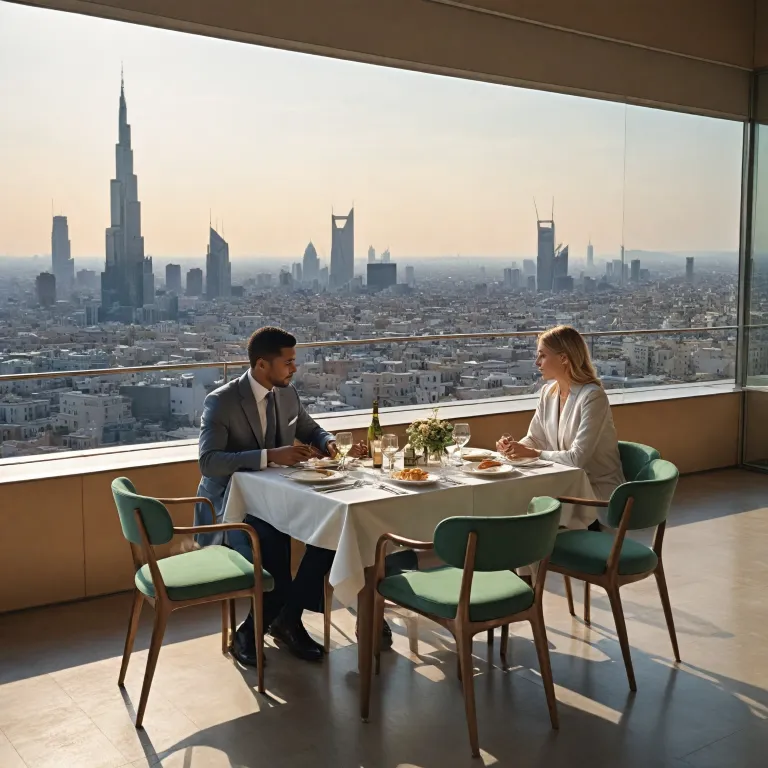
European restaurant market shifts that matter to Saudi luxury travellers
Restaurant industry news europe increasingly shapes how Saudi guests plan high end trips. As the European restaurant market evolves, luxury travellers from Saudi Arabia track which restaurants in key cities align with their expectations for refined service and elevated food. These shifts influence not only where they dine, but also which premium hotels they choose as a base for their journeys.
Across europe, the restaurant industry is undergoing rapid change, with market dynamics driven by new technology, changing demographics, and a more demanding clientele. Industry experts highlight that the European HoReCa market is projected grow strongly, supported by rising consumer spending and a renewed appetite for memorable dining experiences. For Saudi travellers booking luxury hotels, this means a broader choice of restaurants europe wide, but also more complexity when evaluating quality, availability, and service standards.
Recent restaurant industry news europe focuses on how the restaurant sector adapts to shifting supply demand patterns and rising costs of raw material and labour. Countries united by open borders, such as those in the Schengen area, see intense competition for market share among independent restaurants and global groups. For guests from Saudi Arabia, this competition can improve the dining experience, yet it also requires careful reading of data, reviews, and hotel concierge insights to identify the most reliable restaurant market options in each city.
From Riyadh to Rome: connecting hotel choices with restaurant industry trends
Saudi travellers booking luxury hotels in europe increasingly align their accommodation decisions with restaurant industry news europe. A hotel’s proximity to acclaimed restaurants and its ability to secure access to high demand tables can significantly elevate the overall dining experience. This is especially true for guests who prioritise food drink pairings, chef led tasting menus, and personalised service during short city breaks.
In destinations such as germany, spain, and the united kingdom, the restaurant sector has become a key differentiator for premium hotel booking platforms. These platforms analyse real time data on restaurants europe wide, including availability, guest ratings, and market share indicators, to curate recommendations that will help travellers make confident choices. For Saudi guests, this integrated approach to the restaurant market and hotel selection reduces uncertainty and supports smoother planning.
Restaurant industry news europe also highlights how independent restaurants and hotel based venues respond to the impact covid had on operations and guest expectations. Many properties now collaborate with technology companies and industry experts to track supply demand shifts and manage rising costs without compromising food quality. When a booking website clearly explains how its partner hotels work with the surrounding restaurant industry, it will help Saudi travellers understand which business ecosystems are most resilient and best suited to their preferences.
Why the lack of Saudi specific filters complicates European dining decisions
One of the deepest challenges for a luxury and premium hotel booking website in Saudi Arabia is the absence of a specific category tailored to Saudi needs. When browsing options across europe, Saudi guests rarely find filters that reflect their cultural expectations around food, privacy, and service. This gap becomes more visible as restaurant industry news europe reports on increasingly segmented consumer profiles in major cities.
In markets such as market germany, spain, and the united kingdom, booking platforms often classify hotels by star rating, design, or proximity to attractions, but not by alignment with Saudi dining habits. Yet the restaurant industry and restaurant sector in these countries united by shared tourism flows rely heavily on high spending visitors from the Gulf. Without a Saudi focused category, travellers must manually review each restaurant and hotel to assess food drink suitability, plant based menu availability, and the overall dining experience.
This lack of tailored access to information can be frustrating when independent restaurants and hotel restaurants europe wide are competing for affluent guests. Restaurant industry news europe frequently notes how rising costs and volatile raw material prices push operators to refine their business models. A booking website that organises data around Saudi preferences will help both travellers and restaurants, strengthening market share for properties that genuinely understand this audience.
Leveraging European restaurant data to personalise Saudi luxury stays
To address these gaps, a Saudi based premium booking platform can use restaurant industry news europe as a strategic information base. By aggregating data on the restaurant market in key cities, the platform can map where independent restaurants, global groups, and hotel venues best serve Saudi expectations. This includes tracking halal food availability, refined non alcoholic food drink pairings, and discreet service standards that respect cultural norms.
Advanced tools allow real time monitoring of the restaurant industry, including supply demand fluctuations, seasonal menus, and the impact covid continues to have on staffing and opening hours. For example, in germany and spain, many restaurants europe wide now publish live availability feeds that can be integrated into hotel booking journeys. When a Saudi traveller selects a luxury property as their base, the platform can immediately present curated restaurant sector options nearby, including plant based fine dining or classic grills, depending on the guest profile.
Restaurant industry news europe also reports on how industry experts expect the European HoReCa market to be projected grow significantly in value. This growth will help expand the range of independent restaurants and hotel dining rooms that compete on experience rather than only price. A booking website that translates this market momentum into clear, personalised recommendations will help Saudi guests feel confident that every restaurant and hotel combination has been chosen with their preferences in mind.
Designing Saudi centric filters for European hotel and restaurant selection
Creating a Saudi specific category on a luxury booking website requires more than simple labels or generic tags. It demands a structured understanding of restaurant industry news europe, combined with granular data on restaurants europe wide that already attract Gulf travellers. Filters must reflect not only halal food availability, but also the style of service, privacy options, and the sophistication of the dining experience.
For example, in the united kingdom and market germany, some independent restaurants and hotel venues now offer plant based tasting menus that still respect traditional flavours and premium ingredients. Restaurant industry news europe shows that these concepts appeal to younger travellers who value wellness, sustainability, and refined food drink pairings. A Saudi focused filter could highlight such restaurants, while also flagging those that manage rising costs without compromising on raw material quality or service standards.
To enrich this approach, a booking platform can collaborate with hotel concierges and industry experts who understand how the restaurant market operates in different countries united by shared tourism corridors. Integrating editorial style guides, such as this article on elegant family stays and interconnected rooms, can illustrate how to present complex choices in a clear, guest friendly format. Over time, these refined filters will help Saudi travellers navigate restaurant sector options more efficiently and strengthen the business case for hotels that invest in culturally aligned dining.
How European restaurant trends influence premium hotel strategies for Saudis
Restaurant industry news europe increasingly influences how luxury hotels position themselves to attract Saudi guests. As the restaurant industry becomes more competitive, hotels in germany, spain, and the united kingdom seek partnerships with independent restaurants and celebrity chefs to enhance their appeal. This strategy responds to a market where travellers view the dining experience as central to the overall value of a stay.
In practice, this means that the restaurant market around a hotel can be as important as the property’s own outlets. Hotels monitor real time data on restaurants europe wide, including guest reviews, availability, and market share shifts, to identify which partners will help them stand out. When a booking website highlights these collaborations clearly, it will help Saudi travellers understand how a particular hotel leverages the wider restaurant sector to enrich their trip.
Restaurant industry news europe also notes that rising costs and volatile raw material prices push hotels and restaurants to optimise supply demand planning. Some properties adopt plant based menu elements to manage costs while appealing to health conscious guests, without diluting luxury positioning. For Saudi travellers, transparent communication about these trends, combined with clear information on food drink standards and service quality, builds trust and supports more informed decisions about where to stay and dine across europe.
Using European restaurant intelligence to refine Saudi booking platforms
For a Saudi luxury and premium hotel booking website, integrating restaurant industry news europe is not just a content strategy, but a core competitive advantage. By treating the restaurant industry as an essential part of the travel product, the platform can transform static listings into dynamic, insight driven recommendations. This approach recognises that the restaurant market, hotel selection, and guest satisfaction are deeply interconnected.
Practical steps include building a structured data base of restaurants europe wide, segmented by city, cuisine, halal and plant based options, and level of service. The platform can then overlay real time indicators such as availability, guest ratings, and local market share to highlight which independent restaurants and hotel venues are performing strongly. As the European HoReCa market is projected to reach USD 1.04 trillion in 2026, such intelligence will help Saudi travellers navigate a rapidly expanding landscape.
Restaurant industry news europe further shows that technology, from AI tools to mobile apps, is reshaping how the restaurant sector manages supply demand and rising costs. By mirroring these innovations, a Saudi booking website can offer personalised suggestions that will help guests match their preferred dining experience with the right hotel base in each of the key countries united by strong tourism flows. Over time, this alignment between restaurant industry insights and hotel booking journeys will help build enduring trust with discerning Saudi travellers.
Key European restaurant and HoReCa statistics relevant to Saudi travellers
- The European HoReCa market is projected to reach USD 1.04 trillion in 2026.
- The expected CAGR of the European foodservice market between 2026 and 2031 is 9.18 percent.
- Solo dining expenditure in Europe increased by 153 percent between 2010 and 2019.
- Solo visits are expected to account for 15.6 percent of full service restaurant visits in 2025.
- Food delivery platforms’ share of foodservice visits is set to grow by 3.7 percent between 2016 and 2025.
Frequently asked questions about the European restaurant industry
What is the projected size of the European HoReCa market in 2026?
The European HoReCa market is projected to reach USD 1.04 trillion in 2026. For Saudi travellers, this scale indicates a highly diverse restaurant market across europe, with significant investment in new concepts and elevated service. Luxury hotel booking platforms can use this information to prioritise partnerships in cities where the restaurant sector is expanding fastest.
How is technology impacting the European restaurant industry?
Technology is driving the adoption of AI, predictive analytics, and mobile applications, enhancing operational efficiency and customer satisfaction. For Saudi guests, this means easier access to real time availability, digital menus, and seamless reservations at restaurants europe wide. Hotel booking websites that integrate these tools into their platforms will help travellers coordinate their dining experience with their accommodation choices more effectively.
What are cloud kitchens, and why are they becoming popular?
Cloud kitchens are commercial facilities optimized for food delivery, allowing restaurants to expand their reach without physical dining spaces. They are gaining popularity due to the increasing demand for convenient dining options. For Saudi travellers staying in luxury hotels, awareness of high quality cloud kitchen options can complement traditional restaurant visits, especially on evenings when privacy or time constraints make in room dining more appealing.