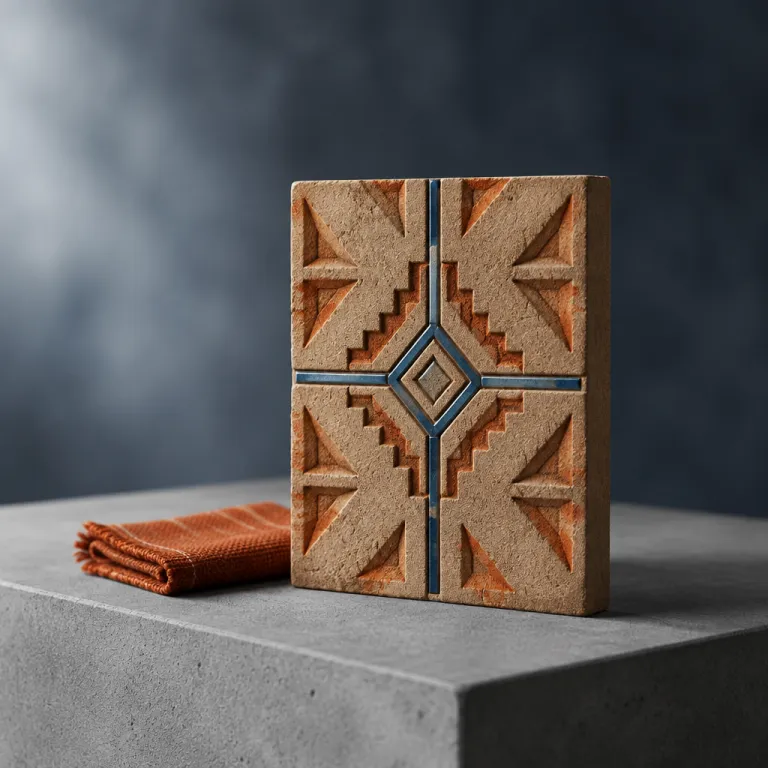
Najdi geometry meets global minimalism in saudi arabia hotel design
Step into the best new hotel openings in Saudi Arabia and you feel a quiet shift. The most interesting saudi arabia hotel design projects are no longer chasing marble lobbies and chandelier drama, but working with Najdi geometry, filtered light and a more restrained global polish. For couples used to international luxury, this balance between regional character and contemporary calm can make a stay feel both grounded and rare.
In Riyadh’s emerging luxury scene, designers are rethinking how a hotel in Saudi Arabia should feel from the inside out. Mud brick inspired walls, reinterpreted in warm plaster, echo the traditional courtyard houses of central Saudi while slimmer mashrabiya screens soften the sun instead of blocking it. When this design language is handled well, the result is a room that frames the desert rather than fighting it, and that is where saudi arabia hotel design starts to feel genuinely distinctive.
Amansamar in Wadi Safar is the clearest current benchmark, pairing a refined interpretation of Najdi architecture with Aman's signature minimalism. Here, the geometry of traditional towers and courtyards is distilled into low slung villas and suites that sit lightly in the landscape, proving that luxury in Saudi Arabia can be about proportion and silence rather than spectacle. For couples, that means evenings where the architecture recedes and the senses tune into the breeze, the changing light and the distant city glow.
Across the kingdom, the same conversation is playing out from AlUla to the Red Sea coast. In AlUla, where sandstone rock formations and the archaeological site of Hegra dominate the imagination, new hotel design leans into earth tones and shadow rather than bright colour. Along the coast of Saudi, by contrast, architects are exploring how sea breezes, coral inspired textures and shaded bays can soften the line between resort interiors and the Red Sea horizon.
This is where the main keyword, saudi arabia hotel design, becomes more than a search term. It describes a live negotiation between local building traditions, international design studios and the expectations of well travelled guests who know their Aman from their St. Regis. The most successful properties are those that understand that a hotel is not a gallery of motifs, but a lived space where Najdi roots and global polish must coexist without one drowning out the other.
From decoration to true place making in luxury interiors
Too many luxury hotels in Saudi Arabia still treat heritage as decoration, scattering a few desert photographs and a mashrabiya panel in an otherwise anonymous room. The more thoughtful saudi arabia hotel design projects start instead with how light moves across a wall at sunrise, how a couple will cross the room barefoot and how the surrounding nature should be felt from the bed. That shift from theme to place making is what separates a forgettable stay from a hotel you talk about years later.
In AlUla, where the rock formations and dunes are the real stars, the best properties resist the urge to compete with the landscape. Suites are oriented to frame a single rock face or a line of dunes, using low furniture and deep window seats to slow the gaze. When a hotel in AlUla gets this right, the room becomes a private viewing platform for the changing seasons, rather than a generic luxury box with a desert wallpaper.
Material choices matter just as much as views. Stone floors that hold the night’s cool, timber ceilings that echo traditional palm frond structures and woven textiles that reference Najdi patterns all contribute to a sense of place. This is where a design led lobby, carefully detailed corridors and quietly luxurious resort residences can set the tone long before a guest reaches their pool or villa terrace, as explored in depth in this guide to the art of hotel lobby interior design in Saudi Arabia at elevating guest impressions through lobby design.
Couples who care about design feel these decisions immediately. A room that smells faintly of limewashed plaster and local incense, that opens onto a shaded terrace rather than a bright, exposed balcony, will encourage slower mornings and longer conversations. In that sense, saudi arabia hotel design is not just about aesthetics ; it shapes how you rest, how you relate to each other and how you remember the trip.
There is a risk, of course, that as more international brands arrive, a homogenised global minimalism will flatten these nuances. The safest path for a design team is often to import a tried and tested template, then sprinkle in a few regional objects as afterthoughts. The properties worth seeking out are those that reverse that logic, starting with Najdi and regional vernacular, then layering in global polish only where it serves comfort and clarity.
Materiality as the new luxury in the desert and by the sea
In the most interesting Saudi projects, luxury is increasingly defined by material honesty rather than by gold leaf and glossy stone. You see it in the way desert resorts use rough cut stone, textured plaster and timber to echo the surrounding dunes, and in how coastal properties let the Red Sea breeze and filtered light do as much work as any chandelier. For couples, this quieter material palette reads as intimacy and authenticity, not austerity.
At the Red Sea developments, the much discussed Red Sea Project and its wider sea project portfolio are testing how far this philosophy can go at scale. On islands like Shura Island, where the water shifts from deep blue to almost turquoise near the bay, architects are experimenting with shaded walkways, open air lounges and villas that sit low against the coast of Saudi rather than towering above it. The best of these designs treat the Red Sea as a living presence, visible from bed, bathroom and pool, instead of a distant backdrop.
Materiality is just as critical inland. In desert rock settings, where cliffs rise sharply behind a resort, the smartest saudi arabia hotel design strategies use stone from the site itself, cut and laid in ways that echo natural strata. Floors are left in a soft matte finish that feels cool underfoot, while ceilings use timber beams or subtle coffering to create rhythm without visual noise, and this is where the senses are quietly engaged rather than overwhelmed.
For couples, these choices translate into a different kind of romance. Imagine a villa where the only polished surface is the water in your private pool, where the walls absorb sound and the night sky feels close enough to touch. That is a very different proposition from a resort that dazzles with reflective marble but leaves you feeling slightly unmoored from the surrounding desert or sea.
Across Saudi Arabia, from AlUla to the Red Sea coast, the projects that stand out are those that understand this hierarchy of materials. They know that a hand finished plaster wall, catching the low sun, can feel more luxurious than any imported stone, and that a shaded terrace facing the dunes red with evening light can be more memorable than a generic infinity pool. In that sense, materiality has become the quiet backbone of serious saudi arabia hotel design.
Red Sea, AlUla and the new coastal desert language
The Red Sea coast is where Saudi Arabia is testing its most ambitious hospitality ideas, and where saudi arabia hotel design is under the sharpest global scrutiny. Names like the Red Sea Project, Shebara Resort and the wider sea destination portfolio have become shorthand for a new kind of ultra luxury escape. The question for design minded couples is simple ; will these places feel distinct, or like any other high end resort red cluster with better marketing.
Early glimpses suggest a more nuanced story. On Shura Island, some of the most interesting villas and resort residences are being planned with low profiles, shaded courtyards and direct access to the sea, rather than the usual tower and podium formula. When a sea resort on the coast of Saudi takes this approach, the line between interior and exterior blurs, and the Red Sea becomes part of the daily rhythm rather than a postcard view.
In AlUla, the design language is different but the stakes are similar. Here, the presence of Hegra and the surrounding rock formations demands a quieter, more deferential architecture, and projects like Chedi Hegra are positioning themselves as guardians of that visual narrative. When a hotel near Hegra uses low rise villas that echo traditional farmsteads, with paths that follow natural contours and lighting that respects the night sky, it shows how saudi arabia hotel design can be both protective and progressive.
Desert rock settings elsewhere in the kingdom are exploring similar ideas. Some rock resort concepts carve suites into cliffs, using the natural insulation of stone to moderate temperatures and create cocoon like interiors, while others perch lightly above southern dunes, using timber decks and canvas to minimise impact. For couples, these are not just visual gestures ; they change how you move, how you sleep and how you relate to the surrounding nature.
Along the wider sea saudi coastline, from more developed stretches to quieter bays, the same questions recur. How close should a resort sit to the waterline, how much vegetation should be introduced and how can pools, paths and pavilions be arranged so that every guest feels a personal connection to the sea without eroding that very edge. The answers will define not just individual properties, but the long term character of Saudi Arabia as a coastal luxury destination.
Where the design story is worth the journey
For couples planning a romantic trip, the most rewarding question is not which hotel is newest, but which properties tell a design story worth travelling for. Across Saudi Arabia, a handful of projects already show how saudi arabia hotel design can balance Najdi roots with global polish in ways that feel both sophisticated and sincere. These are the stays where you remember the way the light hit the courtyard wall at dusk as clearly as the tasting menu.
Amansamar in Wadi Safar is one of those rare places, with its refined Najdi inspired architecture and Aman’s disciplined minimalism creating a calm, almost monastic atmosphere. In AlUla, properties aligned with the Chedi Hegra vision are positioning themselves as custodians of a fragile landscape, using low density layouts, carefully framed views of rock and dunes and a palette that never competes with the sandstone. Along the Red Sea, the most promising sea project and seasons resort concepts are those that treat the coast of Saudi as a finite resource, not a backdrop for endless development.
Design minded travellers should also pay attention to who is behind a project. When a firm like Foster + Partners is involved in a Red Sea or desert development, their track record suggests a serious engagement with climate, orientation and materiality rather than pure spectacle. The same applies to more discreet names working on southern dunes retreats, senses focused wellness resorts and villas that prioritise privacy, shade and natural ventilation over sheer size.
Choosing between these options can feel daunting, which is where curated platforms such as MySaudiArabiaStay become invaluable. Their editorial stance is clear ; they separate marketing gloss from lived experience, focusing on how a room actually feels at midnight or how a lobby works at peak check in. For couples planning their first trip, this guide to what seasoned hotel guests wish they had known before their first Saudi stay at what seasoned hotel guests wish they knew is a useful starting point.
Ultimately, the most compelling saudi arabia hotel design is not about grand gestures. It is about how a door handle feels in the hand, how a window frames the sea or the desert and how a room holds silence when you switch off the lights. For couples, those are the details that turn a stay into a shared memory, and they are exactly what the best of Saudi’s new hotels are finally starting to prioritise.
FAQ
How is saudi arabia hotel design different from other Gulf destinations ?
Saudi Arabia hotel design increasingly draws on Najdi and regional vernacular, using mud brick inspired forms, mashrabiya screens and desert palettes rather than relying solely on glass towers. Compared with some neighbouring destinations, there is a stronger emphasis on courtyards, shaded walkways and material textures that respond to heat and light. For design minded couples, this creates a more grounded, place specific atmosphere that feels less interchangeable.
Which regions in Saudi Arabia are most interesting for design focused stays ?
AlUla is essential for its rock formations, Hegra and emerging low impact resorts that work closely with the landscape. The Red Sea coast, including Shura Island and other sea project sites, is where you will find ambitious coastal resorts experimenting with indoor outdoor living. Around Riyadh, Wadi Safar and similar areas are developing properties that reinterpret Najdi architecture with a contemporary, minimalist sensibility.
What should couples look for when choosing a design led hotel in Saudi Arabia ?
Focus on how the property uses light, shade and materials rather than on brand names alone. Rooms that offer framed views of dunes, rock or sea, with shaded terraces and natural ventilation, usually indicate a deeper design approach. It is also worth checking whether the layout respects privacy and quiet, especially if you are planning a romantic stay.
Are the new Red Sea resorts environmentally sensitive in their design ?
Many of the flagship Red Sea and sea destination projects publicly commit to low impact construction, careful siting and renewable energy. Designs often feature low rise villas, limited footprints and materials chosen to blend with the coast of Saudi rather than dominate it. As always, the reality will vary by property, so looking for independent reviews and detailed architectural information is advisable.
Can you experience traditional Saudi design elements in modern luxury hotels ?
Yes, the most interesting saudi arabia hotel design projects weave traditional elements into contemporary spaces without pastiche. You will see reinterpreted mashrabiya, courtyard inspired layouts, palm influenced structures and colour palettes drawn from the desert and the Red Sea. When handled with care, these details provide a strong sense of place while still delivering international levels of comfort and service.