Luxury hotels in Saudi Arabia: from Riyadh boardrooms to Red Sea horizons
Luxury hotels in Saudiarabia are no longer a side note to an oil trip. They now sit at the center of a national strategy where more than 200,000 new rooms and suites are planned, reshaping how executives extend business into leisure across Saudi Arabia. For the frequent traveler, the question is simple yet demanding ; which hotel brands in this fast expanding hospitality landscape genuinely elevate your stay, and which simply add another logo to an already crowded skyline.
Marriott International, Hilton Worldwide and IHG are leading this race, each deploying their full hotel brand portfolios across key Saudi cities and emerging coastal and desert destinations. Marriott alone operates around 30 brands globally, Hilton manages 18 and IHG runs 17, and all three are using acquisitions, franchising and partnerships with local developers to secure prime sites from Riyadh’s King Abdullah Financial District to the red sea coast. This intense competition in hospitality aims to diversify offerings, capture niche markets and strengthen global presence, with soft brands allowing properties to retain a distinct sense of place while still plugging into powerful loyalty programs.
For a business leisure guest landing in Riyadh, this means a dense cluster of hotels around financial districts, government hubs and new mixed use zones. In areas like KAFD, multiple global flags sit within a few hundred metres, giving you a choice of rooms, suites and resort style amenities without sacrificing proximity to meetings. That density also sharpens expectations ; when every lobby offers marble and a pool, the real differentiator becomes service consistency, staff training and how seamlessly the hotel can pivot your schedule from boardroom to a late flight to AlUla Saudi for a weekend among rock formations and desert dunes.
Red Sea, Shura Island and Triple Bay: where coastal luxury becomes a test of execution
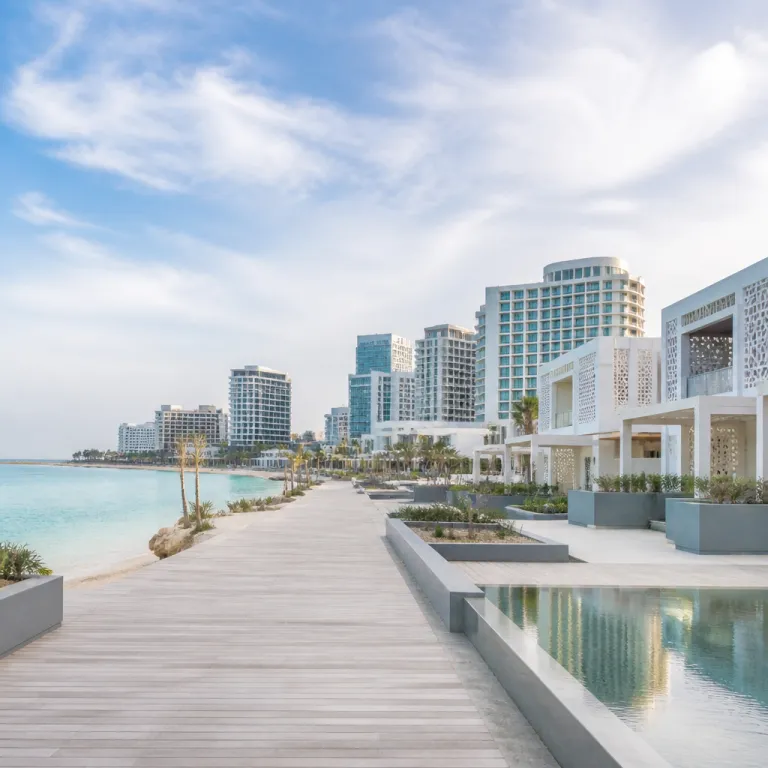
The red sea coastline is where the phrase luxury hotels in Saudiarabia moves from concept render to lived experience. Along this stretch, projects such as Shura Island, Triple Bay and Amaala are designed as sea resort clusters, with villas, resort residences and high end hotels positioned between coral rich waters and sculpted dunes. For the executive traveler, these destinations promise a different kind of meeting follow up ; a quiet negotiation over a private pool deck instead of a rushed airport lounge conversation.
On Shura Island, the masterplan combines multiple hotels with sea facing villas and integrated marina facilities, creating a compact sea shura environment where you can move from boardroom to yacht within minutes. Here, the hospitality challenge is not just building another resort but orchestrating rooms, suites and shared spaces so that privacy, security and service speed match the expectations of global CEOs and royal guests. When several brands operate side by side on Shura Island, the ones that will stand out are those that turn the red sea setting into a tangible advantage, from intuitive beach service to marine experiences that feel curated rather than scripted.
Further north, Amaala and its Triple Bay development push the idea of a sea resort even further, blending wellness, art and marine life into a single coastal narrative. Properties such as Miraval Red Sea and the planned Sea Edition style concepts will need to prove that wellness is more than a spa menu, especially for guests arriving from intense Riyadh negotiations who expect measurable recovery, not just scented towels. For detailed guidance on choosing between coastal and urban stays during the hottest months, our analysis on where to stay in Saudi Arabia when the mercury climbs breaks down which sea global projects already deliver on their promise and which still feel like construction sites with room service.
AlUla, Ashar Valley and Desert Rock: when silence becomes the real luxury amenity
Move inland and the narrative of luxury hotels in Saudiarabia shifts from sea views to sandstone drama. In AlUla Saudi, the focus is on rock, desert and the kind of silence that makes a board presentation feel very far away, very quickly. Here, hospitality is measured less by chandelier count and more by how a property frames the surrounding canyons, dunes and ancient sites without overwhelming them.
Habitas AlUla, set among the cliffs of Ashar Valley, has become a reference point for how to balance sustainability with comfort in the desert. Its rooms and suites are arranged to face the rock walls, with pools and shared spaces designed to keep the valley’s natural contours intact, creating a sense of immersion that many city hotels struggle to match. Nearby, the Desert Rock concept carves rooms, suites and resort residences directly into the cliffs, turning the geology itself into the primary design element and offering a literal interpretation of desert rock hospitality that appeals to travelers who want their stay to feel inseparable from the landscape.
Further south, projects such as Southern Dunes and Senses Southern Dunes explore a different expression of desert luxury, with tented style rooms, suites and expansive pool decks set among rolling sand formations. These properties must manage a delicate balance ; delivering five star comfort while preserving the fragile desert ecosystem and ensuring that every guest movement, from dune drives to stargazing, is handled with cultural and environmental sensitivity. For executives used to climate controlled Riyadh towers, our guide to why the capital’s indoor hotels become the destination in peak heat offers a useful contrast, showing when it makes sense to stay urban and when a shift to AlUla Saudi or Ashar Valley brings more value.
Riyadh, Jeddah and the holy cities: where brand density meets business reality
Back in the cities, the expansion of luxury hotels in Saudiarabia is most visible in Riyadh, Jeddah and the holy cities of Makkah and Madinah. Marriott’s recent agreements for multiple hotels and more than 2,700 rooms across Jeddah, Makkah and Madinah, alongside a partnership for ten additional properties, signal how aggressively global brands are positioning themselves around religious and commercial travel flows. For the business leisure traveler, this translates into a wider choice of rooms, suites and loyalty linked benefits within walking distance of key meeting venues and transport hubs.
In Riyadh, the arrival of W Hotels in KAFD and other lifestyle oriented flags from Hilton and Accor creates a dense ecosystem where you can align your hotel choice with your working rhythm. Some executives will gravitate towards a quieter seasons resort style property on the city’s edge, while others prefer a high energy lobby that doubles as an informal networking arena after office hours. Our in depth look at Riyadh’s indoor hotels during the summer peak explains how these urban resorts use pools, wellness floors and shaded courtyards to turn extreme heat into a reason to stay in rather than fly out.
Jeddah and the holy cities present a different equation, where religious tourism drives occupancy patterns and shapes the design of rooms, suites and shared spaces. Here, hospitality brands must handle high volume, short stay traffic while still offering premium experiences for VIPs and corporate guests who may be combining pilgrimage with business. The most successful hotels in these cities are those that can flex between large family groups, individual executives and delegation style bookings, using technology integration and well trained teams to keep service consistent even when every room and pool cabana is occupied.
What the brand race means for service, staffing and your next booking
Behind the polished openings and dramatic renderings, the race to build luxury hotels in Saudiarabia raises a harder question ; who will staff all these properties, and how will service standards hold under pressure. With more than 200,000 new rooms planned and over 50 global brands entering the market, the demand for qualified hospitality teams is unprecedented across Saudi Arabia. This is where loyalty programs, technology integration and soft brand strategies become more than marketing language, because they directly influence how consistently your wake up call arrives or how quickly a meeting room is reconfigured.
Major chains are leaning on their global training systems and partnerships with local developers to build a workforce that can deliver on brand promises from the red sea coast to AlUla Saudi and beyond. As one industry definition puts it, “Soft brands in hotels are affiliations allowing independent hotels to retain identity while benefiting from chain resources.” That model is particularly relevant in places like Ashar Valley, Shura Island or Triple Bay, where properties need the operational backbone of a Marriott, Hilton or IHG while still reflecting the specific culture of Arabia Red Sea landscapes, desert communities and coastal villages.
For you as a business leisure traveler, the practical takeaway is clear ; research brand offerings before booking, join loyalty programs for benefits and consider location and amenities in relation to your schedule. A sea resort stay at Miraval Red Sea or a Regis Red Sea Edition style property might be ideal after intense negotiations, while a central city hotel with efficient rooms suites layouts could be better when every minute counts. As Sea Global projects mature, the winners will be those that turn hospitality into a precise, almost invisible choreography, where the only thing you truly notice is the view, whether it is over Shura Island’s marinas, Southern Dunes’ shifting sands or the carved faces of Desert Rock at dusk.
FAQ
How should I choose between different global brands when booking in Saudi Arabia ?
Start by matching your trip purpose to the hotel’s strengths, whether that is proximity to meetings, access to the red sea or immersion in desert landscapes. Then compare loyalty program benefits, room categories and on site facilities such as pools, wellness areas and meeting spaces. In dense districts like Riyadh’s KAFD or Shura Island, small differences in service culture and room design can matter more than the logo on the facade.
What are soft brands and why do they matter in Saudi Arabia’s luxury scene ?
Soft brands are affiliations where a property keeps its own identity while using a major chain’s distribution, training and technology systems. In Saudi Arabia, this allows hotels in places like AlUla Saudi, Ashar Valley or Triple Bay to reflect local culture and landscapes while still offering the reliability of a Marriott, Hilton or IHG booking. For guests, it often means more characterful stays without sacrificing points earning, service standards or safety protocols.
Is the rapid expansion of rooms and resorts affecting service quality ?
The scale of new rooms, suites and resort residences does create staffing pressure, especially in emerging destinations along the red sea and in remote desert areas. Leading brands are investing heavily in training, technology and partnerships with local hospitality schools to maintain standards as they open multiple hotels in quick succession. When you check in, you will notice the difference in how quickly requests are handled, how confident staff appear and how smoothly operations run during peak occupancy.
Where should a business traveler extend a Riyadh trip for leisure ?
If you want minimal travel time, consider a high quality seasons resort style property within Riyadh that offers strong pools, wellness and dining, effectively turning the city into your leisure base. For a complete change of scenery, a short flight to the red sea coast, Shura Island or AlUla Saudi can shift you from boardrooms to sea or desert within hours. The choice depends on whether you value deep rest in one place or the stimulation of a second, contrasting destination.
Are coastal or desert stays better for high season heat in Saudi Arabia ?
Coastal sea resort properties along the red sea often benefit from breezes and water based activities, making them attractive when inland temperatures rise. Desert destinations such as Southern Dunes or Desert Rock can still work in hotter months if the hotel manages shading, pool design and activity timing with precision. For many travelers, alternating between an indoor focused Riyadh stay and a carefully chosen coastal or desert property offers the most comfortable way to experience Saudi Arabia across the seasons.
Sources
Saudi Press Agency, Asharq Al Awsat, Marriott International, Hilton Worldwide, InterContinental Hotels Group (IHG).