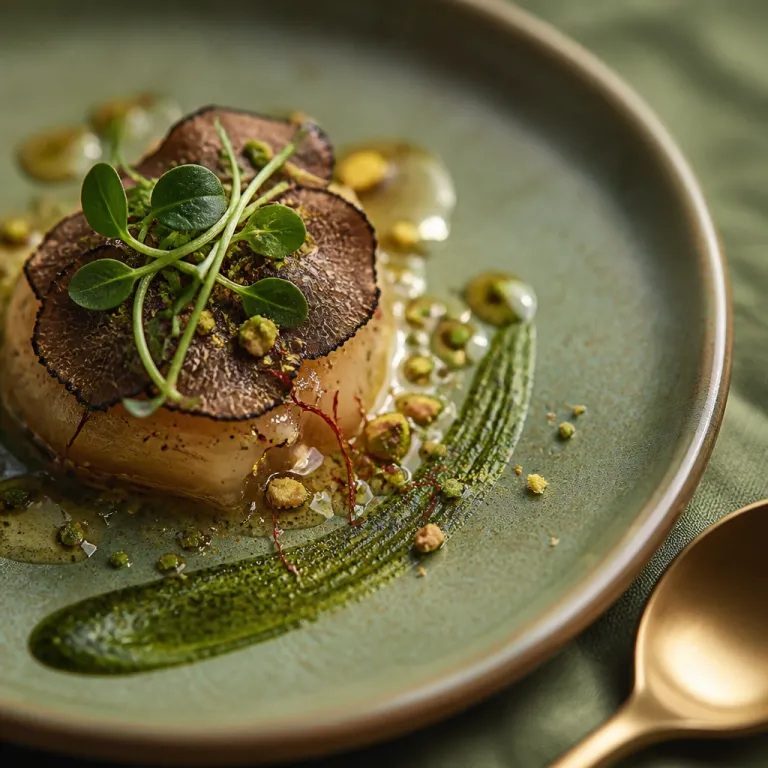
Luxury hotel dining in Saudi Arabia’s new era
Luxury hotel dining in Saudi Arabia is no longer an afterthought tucked behind a lobby. Across the kingdom, from Riyadh’s glass towers to the emerging Red Sea resort enclaves, hotel restaurants are becoming the stage where Vision 2030’s ambitions are plated and served. For business travelers extending a stay into leisure, the question is simple yet demanding; which hotels in Saudi Arabia actually deliver a culinary experience worthy of your time and expense?
Recent openings show how aggressively properties are competing for the most compelling culinary journey. At The Jeddah EDITION, Executive Chef Cédric Vongerichten leads concepts that mirror the city’s cosmopolitan energy, with menus that might pair Saudi dates and citrus with French techniques, while in Riyadh, Chef Ramon Cantos at Azure in Hyatt Regency Riyadh Olaya and Chef Arumugam Rajesh at The Globe in Al Faisaliah Hotel have pushed European and Spanish menus into sharper focus. These chefs are not decorating buffets; they are helping define how international guests will remember luxury hotel dining in Saudi Arabia long after checkout.
Behind the scenes, hotel owners, international partners and local suppliers are aligning around a shared objective. They want Saudi properties to be seen as serious gastronomic addresses, not just convenient places to book a room with a pool and a spa. The stakes are high, because every plate of grilled hamour, slow-cooked lamb or plant-forward mezze now carries the weight of Saudi Arabia’s attempt to reposition itself as a luxury destination in Arabia and beyond. As the Saudi Tourism Authority noted in a 2023 tourism performance update, international arrivals surpassed 27 million visitors, underscoring how quickly these dining rooms are becoming part of the country’s global reputation.
Riyadh’s towers: imported concepts, local expectations
Riyadh is where the imported palate first met Saudi corporate reality. In the capital’s hotel towers, executives move from boardroom to dining room expecting the same precision they see in their quarterly KPI reports, and that pressure has shaped how hotels design every culinary experience. Anyone serious about eating in Riyadh’s hotel towers should start with a focused guide such as this deep dive into dining beyond the marble lobby, which maps where the marketing gloss ends and real craft begins.
At Al Faisaliah Hotel, the iconic Globe restaurant has long been a marker of status dining in Saudi Arabia, and the refreshed menu by Chef Arumugam Rajesh signaled a shift toward more thoughtful use of regional ingredients. A tasting menu might move from smoked eggplant with pomegranate to saffron-infused seafood risotto, finishing with a date and cardamom dessert that nods to Najdi traditions. Across town, Azure at Hyatt Regency Riyadh Olaya, led by Chef Ramon Cantos, leans into Spanish and Mediterranean flavors while still reading the room of conservative business lunches and late-night family gatherings. These hotels in Saudi Arabia understand that a dining room in Riyadh must balance imported techniques with the rhythms of local hospitality, from prayer times to extended family tables.
For the business-leisure traveler, the practical question is how to book the right table, not just the right suite. Look for properties where the general manager speaks about culinary strategy with the same fluency as RevPAR, and where the fitness center, spa and pool are integrated into a broader wellness narrative rather than bolted on. In Riyadh, that often means choosing a resort-style property or city hotel that treats its restaurants as independent destinations, not captive outlets for jet-lagged guests, and where menus clearly reference Saudi produce, from local honey and dates to Red Sea fish and Arabian Peninsula coffee.
Shura Island and the red sea: can remote resorts cook with soul ?
Out on Shura Island, the Four Seasons Red Sea project is testing whether a remote sea resort can sustain serious gastronomy or whether distance inevitably dilutes the experience. The property’s six restaurants and lounges, including Sea Green, Al Forn, Spiaggia and Omnia Restaurant, form a kind of floating culinary laboratory for luxury hotel dining in Saudi Arabia. As chefs rotate through Omnia in a guest-chef model, the question becomes whether these limited residencies can build continuity or if they risk feeling like a sequence of disconnected pop-ups.
Sea Green, the plant-based all-day venue, is the most closely watched experiment. In a region where grilled meats still dominate, a plant-forward menu on a Red Sea island could easily become a token gesture, yet early menus suggest a more serious intent, pairing local vegetables with Mediterranean techniques and a light coastal sensibility. A plate of charred okra with tahini and preserved lemon or roasted cauliflower with date molasses and toasted nuts feels rooted in the landscape rather than flown in from a generic wellness playbook. The tension is clear: can a restaurant framed around wellness and sustainability avoid becoming a lifestyle accessory for the spa and fitness center, and instead anchor a genuine culinary journey that guests will book their stay around?
For travelers comparing Sea Edition–style coastal concepts, context matters as much as cuisine. A detailed analysis such as this report on Shura Island’s emerging coastal culinary identity helps separate marketing language from on-the-ground reality. The best Red Sea resort kitchens will be those that treat the surrounding waters and desert as their pantry, not just as a backdrop for imported brands and Arabian sunsets, working with local fishermen for daily hamour and shrimp and sourcing herbs from nearby desert farms.
From Mykonos to Amaala: Nammos and the new coastal theatre
On the opposite stretch of coast, the Amaala development is where the imported palate becomes theatre. Nammos Amaala arrives with the full weight of its Mykonos reputation, promising a Mediterranean restaurant on a private island, a Latin Asian fusion concept at Nalu and a sun-drenched Ilios terrace that blurs day and night. The challenge is not whether these venues can recreate the Nammos soundtrack, but whether they can tune it to the quieter, more controlled rhythm of Saudi Arabia’s Red Sea shoreline.
Translating a beach club sensibility into a Saudi context requires more than adjusting the dress code. It means rethinking how long lunches unfold when guests may arrive from villas or resort hotel suites after morning meetings, and how a culinary experience can feel indulgent without clashing with local norms. A grilled whole fish with olive oil and herbs, shared family-style at sunset, will likely resonate more than a parade of overly theatrical plates. Here, the imported palate must learn to respect the desert silence at dusk, letting the sound of the sea and the call to prayer shape the tempo of service more than any DJ playlist.
For discerning travelers, the smart move is to book Nammos Amaala as part of a broader itinerary that includes time inland in AlUla and other cultural stops. A day that begins with a hike near Desert Rock or Tree AlUla and ends with grilled fish on a Red Sea terrace will feel more grounded than a straight line from airport to island. In this sense, luxury hotel dining in Saudi Arabia becomes a narrative thread connecting sea, desert and city, rather than a standalone spectacle, and the most memorable meals will be those that echo the landscapes guests have just walked through.
AlUla, wellness and the missing Saudi story on the plate
AlUla is where the conversation about imported concepts meets the sandstone reality of place. Properties such as Habitas AlUla and Banyan Tree AlUla have already shown how villas and suites can blend into the landscape, yet their restaurants still walk a fine line between global familiarity and local specificity. Guests arrive expecting a polished resort hotel experience, but they also want to taste something that could only exist in AlUla, not in any other desert destination.
Habitas AlUla, for example, frames its culinary journey around wellness, with menus that sit comfortably alongside sunrise yoga, spa rituals and time in the pool or fitness center. A breakfast of labneh with za’atar, local honey and warm flatbread feels both nourishing and distinctly Arabian. Banyan Tree’s dining spaces lean into the drama of the canyons, yet the most memorable plates are often the simplest: grilled lamb scented with local herbs, dates treated with the same respect as fine chocolate, coffee poured slowly as the cliffs turn red at sunset. In both hotels, the imported palate is gradually giving way to a more confident expression of Arabia, even as international techniques remain visible.
Beyond AlUla hotel properties, concepts like Basiqat by Mantis near Riyadh show how health-focused cafés and curated dining experiences can support a more holistic approach to luxury. For travelers planning a wellness-focused itinerary, a resource such as this guide to luxury spa hotels in Saudi Arabia and exclusive wellness experiences helps align where you sleep, eat and recharge. In this emerging landscape, the most compelling luxury hotel dining in Saudi Arabia will be the one that treats Saudi ingredients and traditions not as garnish, but as the main story, from Hejazi stews and Najdi rice dishes to modern takes on traditional coffee ceremonies.
How to book smarter: reading between the menu lines
For business-leisure travelers, navigating this new landscape of hotels across Saudi Arabia requires a more investigative approach. Do not just book the nearest hotel with a sea view or a glossy spa; read the menus, scan the chef biographies and look for evidence of real engagement with local suppliers. When a property highlights collaborations with international chefs such as Cédric Vongerichten or Ramon Cantos, ask how those partnerships translate into year-round training for the in-house culinary team rather than one-off headline events.
Vision 2030 has already driven a measurable rise in new hotels and international arrivals, and the dining rooms of Riyadh, Jeddah and the Red Sea coast are where those macro trends become lived experiences. Industry updates indicate that the number of new hotels opened between 2018 and 2025 is projected to reach several hundred properties nationwide, while international tourist arrivals are expected to climb toward 30 million visitors over the same period, and those guests are now testing whether the imported palate can evolve into a confident Saudi voice. As one official summary from the Ministry of Tourism puts it without embellishment: "Chefs like Cédric Vongerichten and Ramon Cantos have partnered with Saudi hotels to elevate culinary standards and train local teams."
Looking ahead, the most interesting questions sit beyond the marketing language of Carlton Reserve–style branding, Nujuma Ritz–level name-dropping or Regis red-tier loyalty promises. Will future InterContinental and Edition-style projects on Shura Island and other Red Sea enclaves give Saudi cuisine equal billing alongside imported concepts, or will the local story remain a side dish? The travelers who pay attention now, and who choose to book properties that invest in both culinary innovation and cultural fidelity, will help shape how luxury hotel dining in Saudi Arabia reads on the global stage.
FAQ
How are international chefs influencing luxury hotel dining in Saudi Arabia ?
International chefs bring techniques, menu structures and brand recognition that accelerate the maturation of hotel restaurants across Saudi Arabia. Collaborations with figures such as Cédric Vongerichten in Jeddah and Ramon Cantos in Riyadh have raised expectations for precision and creativity in both city and resort settings. Their influence is most valuable when it includes long-term training for local teams, not just short residencies, and when signature dishes incorporate Saudi ingredients rather than simply replicating overseas menus.
What types of cuisines are most common in new Saudi hotel restaurants ?
European, Mediterranean and Latin Asian–inspired menus dominate many new openings, especially in Riyadh towers and Red Sea resorts. Levantine and Italian concepts, such as Al Forn and Spiaggia at Four Seasons on Shura Island, sit alongside plant-forward venues like Sea Green. The missing piece in many properties remains a fully realized Saudi restaurant that treats local dishes with the same ambition as imported cuisines, showcasing regional specialties from Jeddah, Riyadh and AlUla.
Does the guest chef model work in remote island resorts ?
The guest-chef model can generate excitement and media attention for remote island properties, particularly at high-profile Red Sea resorts. However, its success depends on how well visiting chefs integrate with local teams and ingredients rather than flying in preset menus. When residencies are too short or disconnected, they risk feeling like culinary tourism for chefs rather than a coherent experience for guests, especially for travelers who stay several nights and expect consistency.
Where can travelers find more health and wellness focused hotel dining in Saudi Arabia ?
Wellness-oriented dining is emerging in properties that already emphasize spa and fitness experiences, such as Habitas AlUla, Banyan Tree AlUla and Basiqat by Mantis near Riyadh. Menus in these hotels often highlight plant-forward dishes, lighter preparations and thoughtful use of local produce. Travelers should look for integrated wellness narratives where the restaurant, spa, pool and fitness center all support the same restorative goal, rather than treating healthy options as an afterthought.
How do these dining developments support Saudi Arabia’s Vision 2030 goals ?
Elevated hotel dining helps position Saudi Arabia as a credible luxury destination, which is a core aim of Vision 2030. By integrating global cuisines with local ingredients and cultural references, hotels contribute to diversifying tourism and enhancing the kingdom’s international image. The growth in new hotels and rising international arrivals suggests that these culinary investments are already influencing how visitors experience the country, turning business trips and resort stays into deeper encounters with Saudi culture.