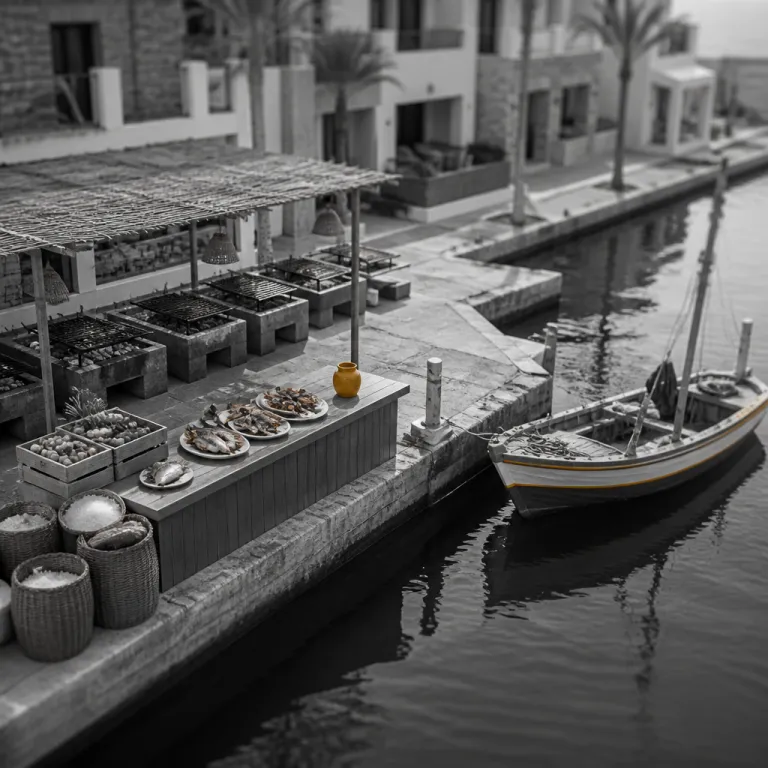
Red Sea resort dining in Saudi Arabia’s new coastal frontier
Red Sea resort dining in Saudi Arabia now feels less like a marketing slogan and more like a live kitchen experiment. Along this still forming coastline, every new sea resort opens a window onto how global brands adapt when the pantry is half local reef fish, half flown in from Dubai. For couples used to polished European escapes, the first surprise is how quickly the red sea has become a stage for serious culinary ambition.
On Shura Island, the master plan is clear yet still evolving, with 11 hotels shaping a dense archipelago of resort dining experiences within a few kilometres. The question is not whether you will find a restaurant, but how each dining experience interprets the same red sea light, the same wind, the same constraints of supply. Here, every open terrace, every shaded table and every bar that opens at sunset is part of a larger conversation about what Saudi coastal cuisine should become.
For travellers booking through a luxury focused platform, the challenge is decoding the noise and choosing the right resort for the right night. A couple might book a sea facing table for a slow breakfast, then shift to a more theatrical dining room where the kitchen opens window like onto the grill and the reef beyond. Between sunday and monday, the rhythm of service hours, the dress code and even how you click to call the concierge can shape how intimate or performative your stay feels.
Four Seasons Red Sea: garden to table on an unfinished shore
Four Seasons Red Sea is the clearest signal that serious resort dining has arrived on this coast. The property spreads six open air venues along the shoreline, each restaurant using the same sea breeze but framing it differently through architecture, lighting and service style. For couples, the most memorable evenings often start with a walk through the organic garden before settling at a table that seems to float above the water.
The on site garden is not a marketing flourish, but a working pantry that supplies herbs, leaves and edible flowers to both the spa kitchen and selected dining outlets. Chefs here talk less about imported luxury and more about how to coax flavour from what can grow in saline air, then pair it with reef fish landed within hours. It is a subtle shift, yet it anchors red sea resort dining in Saudi Arabia to the ground beneath your feet rather than to a distant cargo route.
Breakfast becomes a quiet study in this philosophy, with eggs and labneh framed by garden picked herbs while the horizon opens window like through floor to ceiling glass. Later in the day, couples can book a table for a longer lunch, timing their reservation around the softer hours monday to avoid the harshest light. If you are used to the layered glamour of an Amalfi or Positano escape, the way this resort stages sea views will feel familiar, and it is worth reading a detailed perspective such as this guide to a cliffside hotel with a pool and panoramic views to understand how Mediterranean benchmarks still shape expectations here.
Raffles, Nammos and the new Shura Island flavour map
Where Four Seasons leans into garden to table restraint, Raffles Resort Shura Island and Nammos Hotels & Resorts push the red sea resort dining Saudi narrative in more extroverted directions. Raffles brings five distinct venues, from a contemporary Singaporean restaurant to an Eastern Mediterranean grill that treats the coastline as a bridge between Levantine and Gulf flavours. The brand’s Asian DNA meets Arabian ingredients in plates where tamarind, date molasses and local fish share the same table.
Nammos Hotels & Resorts, by contrast, imports the Mykonos beach club energy and edits it for Saudi waters and Saudi tastes. Omnia Restaurant, the flagship here, runs a rotating guest chef programme that feels closer to a city pop up than a static resort dining room, and the terrace functions as a beach club by day before softening into a candlelit scene at night. Couples who plan carefully can book a table for a guest chef weekend, then stretch the evening with a walk along the sea when the music drops and the sky turns a deeper red.
This rotating talent model echoes what is already happening in Riyadh, where hotel restaurants are learning to share their kitchens with visiting names, and a useful reference is this analysis of how guest chefs reshape hotel dining rooms. On Shura Island, the same logic applies, but the stakes feel higher because the island itself is still under construction and every opening sets a precedent. For couples, the practical takeaway is simple, as you should call to book early, check which chef is in residence and confirm the exact hours monday to sunday so you can align your stay with the most compelling menus.
Supply chains, Saudi stories and the Red Sea pantry
The most interesting tension in red sea resort dining Saudi wide is not about design, but about sourcing. This coastline is still being built, which means every resort must decide what to fly in, what to pull from the sea and what to grow on site. The result is a patchwork pantry where reef fish, dates and Arabian coffee sit beside European butter and Japanese wagyu, and logistics quietly shape what arrives on your plate.
Shura Island chefs talk openly about this, especially those working with partners such as Red Sea Global and local fishermen who are learning to supply hotels at scale. Fire led cooking, traditional grills and local spices are not nostalgic props, but practical tools for making the most of fish that might move from boat to restaurant within hours. One chef, Basma El Khereiji, frames it clearly when asked about her own project on the island, answering three key questions in a way that has become a reference point for colleagues.
When she is asked “What is Anãsa ?”, her answer is precise, as she says “A modern Greek restaurant on Shura Island.”. When she is asked “Who is Basma El Khereiji ?”, she replies “A Saudi chef and restaurateur.”, and when she is asked “What is the focus of Shura Island's culinary scene ?”, she states “Blending Greek and Saudi coastal flavors.”. Those three sentences capture the wider movement, where Greek techniques, Saudi ingredients and a still forming supply chain combine to create a new coastal identity that feels rooted rather than imported.
Global brands, Saudi couples and the art of choosing well
For couples using a luxury booking website, the real work begins once you move beyond the glossy renders and start comparing how each brand handles the same constraints. Some names, such as Marriott or Ritz Carlton, arrive with strong expectations shaped by stays in Europe or Asia, while others, including Nammos or the emerging Carlton Reserve style properties, are still writing their Saudi chapters. The key is to read past the labels and focus on how each resort frames its dining experience against the reality of this sea and this island.
On Shura Island, you will see familiar signals, from a regis bar or club regis lounge to the language of Marriott Bonvoy benefits and the promise of a beach club with a strict yet relaxed dress code. Yet the most rewarding stays often come when you treat these as reference points rather than guarantees, and instead ask specific questions about restaurant hours, breakfast formats and whether sunday feels as animated as monday. A good booking platform should make it easy to click to call, to call and book a table directly and to contact the concierge for precise information on hours monday to sunday, including whether any venues offer a sunday free from loud music for quieter couples.
As the coastline expands beyond Shura Island towards adventure focused districts, the equation will shift again, and it is worth reading how projects such as a new Red Sea adventure hub are already changing expectations of what a resort stay can include. For now, the smartest move is to treat red sea resort dining in Saudi Arabia as a spectrum, from quiet garden breakfasts to high energy sea facing dinners, and to book with a clear sense of which version of the coast you want at your window each night.
FAQ
What makes Shura Island different from other Red Sea resorts for dining ?
Shura Island concentrates 11 luxury hotels within a compact area, which creates an unusually dense mix of restaurants, bars and beach clubs for such a young destination. Chefs share the same red sea pantry yet interpret it through Greek, Asian, Eastern Mediterranean and Saudi lenses. For couples, this means you can sample several distinct dining experiences over a short stay without long transfers.
How far in advance should I book restaurant tables on Shura Island ?
For headline venues at Four Seasons Red Sea, Raffles Resort Shura Island and Nammos Hotels & Resorts, you should book a table as soon as your room reservation is confirmed. Guest chef nights and sea facing terraces at sunset are the first to fill, especially from monday to sunday during peak travel periods. Use the hotel website or a trusted booking platform to click to call or contact the concierge directly for the most accurate availability.
Is there a clear Saudi culinary identity yet in Red Sea resort dining ?
The identity is emerging rather than fixed, shaped by local seafood, dates, Arabian coffee and the techniques of chefs who have worked abroad. On Shura Island, the most interesting menus blend Saudi coastal ingredients with Greek, Asian or Eastern Mediterranean structures instead of copying international dishes. Restaurants such as Anãsa, led by Basma El Khereiji, show how this fusion can feel both contemporary and rooted in place.
What should couples consider when choosing between different Red Sea resorts ?
Look beyond brand names and compare how each resort handles sourcing, restaurant hours and the balance between quiet and high energy venues. Some properties emphasise garden to table calm and long breakfasts, while others lean into beach club atmospheres and late night service. A good booking website will highlight these differences clearly so you can match the resort to your preferred rhythm.
Are Red Sea resort restaurants suitable for guests who are not staying overnight ?
Policies vary by property, but many Red Sea resort restaurants accept external guests with advance reservations, especially for dinner. Access to certain beach clubs or pools may be restricted to in house guests or require a day pass, so it is essential to call and book or contact the hotel before planning a visit. When in doubt, ask specifically about dress code, access rules and any minimum spend requirements.