Saudi cuisine luxury hotel dining as a new kind of arrival
In Saudi Arabia’s leading luxury hotels, the real welcome now happens at the table. Saudi cuisine luxury hotel dining has shifted from generic buffets to carefully staged dining experiences that treat heritage ingredients as protagonists, not props. For couples planning travel experiences around food, the most rewarding hotel stays now feel like a quiet seminar in eastern cuisine, held between courses rather than in a classroom.
Across the Kingdom, hotel management teams are rethinking how cuisine is served to international and local guests, and how each restaurant can express a specific city or region. A recent push toward culinary integration means that around sixty percent of hotels incorporating heritage cuisine now feature named Saudi dishes on their menus, according to the Saudi Culinary Arts Commission. That statistic matters for hotel guests who want dining experiences that feel rooted in place, not flown in from a distant corporate office.
This shift began when global brands realised that middle eastern flavors could no longer be an anonymous corner of the buffet. Today, the most interesting hotel restaurants in Riyadh, Jeddah and AlUla use traditional recipes as a framework, then layer in modern techniques to create a dining experience that respects time honored methods while speaking an international language. For couples, that can mean a Kabsa course plated with fine dining precision, followed by a dessert that quietly references a street stall in a nearby city.
From farm and souq to five star kitchen
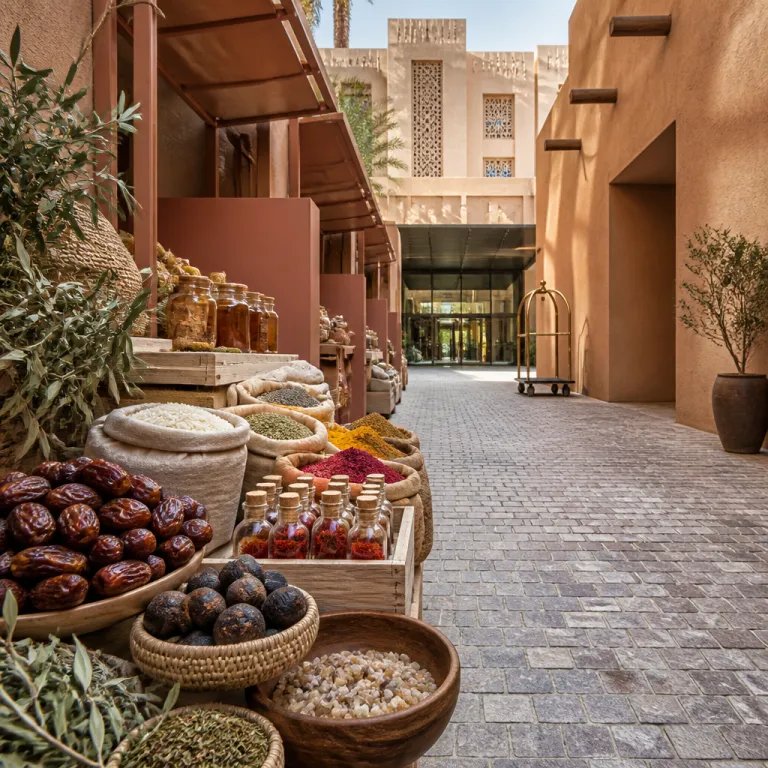
The journey from street to suite usually starts far from the hotel loading bay. Saudi chefs and purchasing teams now spend more time in local markets and on small farms, building direct relationships with local farmers who grow heritage crops that once rarely left their own regions. When you see black lime grated over grilled hammour in a polished restaurant, you are tasting a supply chain that runs through dusty roadside stalls and time honored family plots.
Hotel management has learned that sourcing is not just a procurement exercise but a narrative that shapes the guest experience. When a hotel in Taif highlights that its rose syrup comes from a specific grower at 1 800 metres above sea level, the dining experience gains a sense of altitude and terroir that many international restaurants in the same city still lack. That level of transparency also supports accessibility for smaller producers, who finally see their names printed on menus in marble lobbies.
Official guidance has encouraged this shift toward local sourcing and farm to table practices across Saudi hotels. One internal training document puts it plainly for culinary teams and reads ; "Hotels partner with local farmers and markets." In practice, that means Kabsa rice grown in Al Ahsa, Jareesh wheat milled near Qassim, and Madinah dates served warm with cardamom coffee in lounges that once offered only imported sweets.
Taif rose and the quiet power of a single ingredient
Taif rose has become the emblem of how Saudi cuisine luxury hotel dining can elevate a local ingredient without turning it into a caricature. In the hills above the city, rose fields that once supplied only perfumers now send petals and distilled waters to hotel kitchens, pastry labs and even wellness suites. The same essence that perfumes a hammam can appear later that evening in a dessert course, creating one of those subtle dining experiences that couples remember long after checkout.
In several Taif hotels, rose threads through the entire guest journey, not just the restaurant menu. A welcome drink might blend rose water with citrus and a hint of black lime, while the spa offers a treatment that uses rose infused oils sourced from the same valley that supplies the pastry team. This integrated approach echoes broader luxury trends in Saudi Arabia, where properties at destinations like Amaala are aligning wellness and gastronomy, a movement explored in depth in our guide to longevity focused luxury stays on the Red Sea coast.
What makes Taif rose compelling is how it bridges eastern and international expectations without losing its local soul. In one restaurant, a traditional milk pudding arrives with a rose and date reduction, while in another, a tasting menu pairs rose granité with Middle Eastern citrus and Saudi honey for hotel guests who might never visit the farms themselves. The ingredient travels from street stalls selling rose tea to suite level dining experiences, carrying the scent of the hills into the most polished rooms.
How hotels translate Saudi flavors for international guests
The most confident Saudi hotels now treat their restaurants as cultural salons rather than anonymous dining rooms. For couples arriving from abroad, the first evening often begins with a quiet explanation of the menu, where servers frame Kabsa, Jareesh and Mathlouta as part of a living culinary map rather than a themed night. This is where Saudi cuisine luxury hotel dining moves beyond performance and becomes a genuine cultural exchange.
Many properties structure their dining experiences around guided tastings that introduce middle eastern flavors in calibrated steps. A chef might start with mezze that feel familiar to anyone who has eaten in eastern Mediterranean restaurants, then add Saudi touches like black lime, smoked ghee or Hejazi spice blends in later courses. Cooking classes and market tours extend these travel experiences outside the hotel, allowing guests to see how traditional dishes are served in everyday settings before returning to a refined dining experience in the evening.
Design plays its part as well, especially in new builds along the Red Sea where culinary identity is still being written. On Shura Island, for example, chefs are shaping a coastal narrative that links local fishing communities with high end menus, a process we examine in our feature on how Red Sea hotel kitchens are defining a new coastal cuisine. Inside the suites, thoughtful touches such as date and coffee pairings or region specific welcome trays echo the same philosophy that has transformed Saudi luxury hotel bathrooms into curated sanctuaries, a trend we unpack in our analysis of elevated in room rituals across the Kingdom.
Authenticity, adaptation and what reaches the plate
The most interesting tension in Saudi cuisine luxury hotel dining lies between authenticity and adaptation. When an internationally trained chef writes a menu section titled "authentic Saudi cuisine", the question is not only what is being served but whose version of authenticity is on the plate. Couples who care about cultural nuance quickly notice whether a dish feels like a respectful translation or a themed costume.
Serious hotels address this by pairing Saudi chefs with international colleagues in the same kitchen, allowing traditional techniques to guide modern presentation rather than the other way around. Time honored methods for slow cooking lamb or fermenting dairy sit alongside precise temperature control and contemporary plating, creating dining experiences where both traditions feel visible. The best restaurants in Riyadh and Jeddah now offer parallel tasting menus ; one leans into eastern cuisine classics, while the other experiments with middle eastern flavors in unexpected formats.
For hotel guests, the most reliable signal of integrity is how deeply a property engages with local producers and culinary schools. When a hotel proudly explains that its Mathlouta wheat comes from a specific farm, or that its pastry chef trained with a Saudi mentor before staging abroad, the story feels grounded rather than scripted. Food then becomes a lens on the Kingdom itself, turning travel experiences into a series of edible footnotes that connect city to desert, street to suite, and restaurant table to the wider landscape of Saudi hospitality.
FAQ
Which traditional dishes are commonly served in Saudi luxury hotels ?
Across high end hotels in Saudi Arabia, you will frequently see Kabsa, Jareesh and Mathlouta on menus, often reinterpreted with refined presentation. These traditional dishes may appear in both buffet and à la carte formats, sometimes alongside regional variations that highlight specific cities or provinces. Many restaurants also integrate classic accompaniments such as Madinah dates, cardamom coffee and breads baked in traditional ovens.
How do hotels source heritage ingredients inside the Kingdom ?
Most serious luxury properties now combine established distributors with direct relationships with local farmers and market vendors. Purchasing teams visit regional souqs to secure items like black lime, tribal honey and seasonal produce, then formalise those links through supplier partnerships. This approach supports local agriculture while giving hotel guests access to ingredients that rarely appear in international supply chains.
Are there cooking classes focused on Saudi cuisine for hotel guests ?
Many upscale hotels in Riyadh, Jeddah, AlUla and along the Red Sea coast offer structured cooking classes that focus on Saudi recipes. Sessions typically cover dishes such as Kabsa, Jareesh or regional breads, and often begin with a short explanation of spice blends and ingredient origins. For couples, these classes can be a relaxed way to turn a single dining experience into a lasting travel memory.
How can I tell if a hotel restaurant treats Saudi cuisine authentically ?
Look for menus that name specific regions, farms or producers rather than using generic labels like "Arabian night". Restaurants that employ Saudi chefs in visible roles, explain cooking methods at the table and offer both traditional and modern interpretations usually show deeper engagement. When staff can answer detailed questions about where ingredients are grown and how dishes are prepared, authenticity is more than a marketing line.
Do international guests usually enjoy Saudi flavors in luxury settings ?
Feedback from hotel teams suggests that international couples are increasingly curious about Saudi flavors when they are introduced thoughtfully. Tasting menus that start with familiar middle eastern dishes and gradually add local twists tend to work especially well. When servers frame each course as part of a broader cultural story, guests often leave with a stronger connection to the country than any lobby artwork could provide.