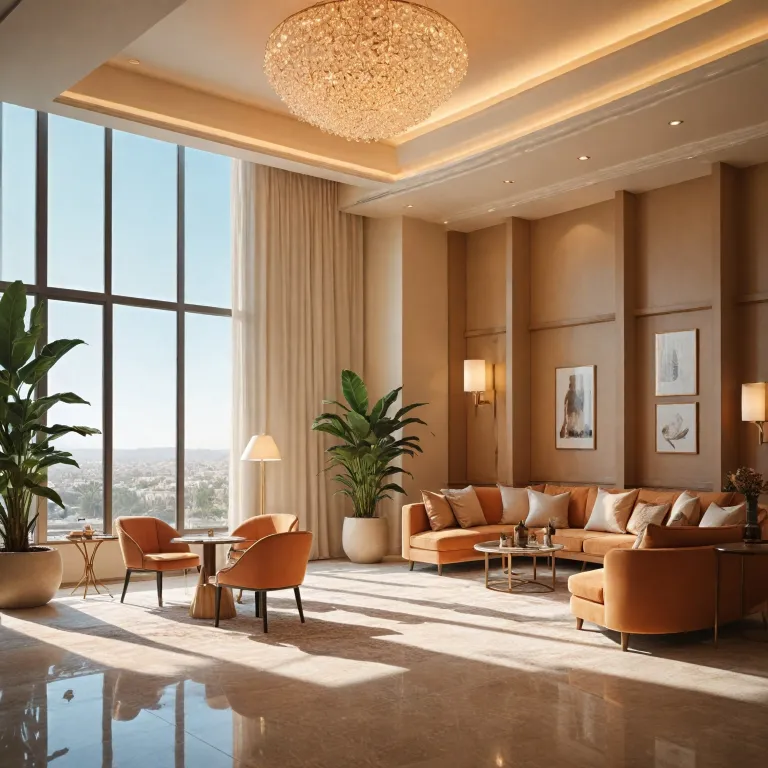
Elevating hospitality: The landscape of top luxury hotels in Saudi Arabia
Saudi Arabia’s hospitality sector is experiencing a renaissance, with top luxury hotels redefining standards for travelers seeking exclusivity and comfort. The country’s commitment to Vision 2030 has propelled the development of world-class hotel and resort destinations, particularly in regions such as AlUla, the Red Sea coast, and the vibrant cities of Riyadh and Jeddah. Guests can book rooms, suites, and villas that offer a seamless blend of Arabian heritage and contemporary elegance, with features like private outdoor pools, spa fitness centers, and panoramic desert or sea views.
Properties such as the Ritz Carlton, Habitas AlUla, and the St. Regis Red Sea Resort exemplify the new wave of luxury accommodations. Each hotel and resort is strategically located to showcase the natural beauty of Saudi Arabia, from the dramatic rock formations of Ashar Valley to the tranquil shores of the Red Sea. The integration of sustainable practices, advanced architectural designs, and eco-friendly technologies ensures that these luxury hotels not only provide exceptional comfort but also preserve the unique landscapes of Saudi Arabia. The rise of resort hotels and villas, including the much-anticipated Nujuma Ritz Carlton Reserve and Shebara Resort, reflects a growing demand for privacy, exclusivity, and personalized service.
International hotel brands are partnering with local developers to create distinctive experiences that celebrate Saudi culture and hospitality. The inclusion of spa fitness centers, outdoor pools, and curated wellness programs further enhances the appeal of these luxury hotels. As the sector continues to expand, travelers can expect an ever-widening array of resort hotel options, each offering unique features and amenities tailored to the discerning guest.
Signature experiences: Unmatched features and amenities in Saudi Arabia’s luxury hotels
Top luxury hotels in Saudi Arabia distinguish themselves through a curated selection of amenities and experiences that cater to the needs of both leisure and business travelers. Guests can book rooms, suites, or villas equipped with state-of-the-art technology, plush furnishings, and breathtaking views of the desert, rock formations, or the Red Sea. The integration of spa fitness centers and outdoor pools allows visitors to unwind in style, while signature dining venues showcase the finest local and international cuisine.
Resorts such as Habitas AlUla and the Carlton Reserve offer immersive experiences that connect guests with the natural and cultural heritage of Saudi Arabia. Activities range from guided desert rock excursions in AlUla to water sports and marine exploration at sea resorts along the Red Sea. The Nujuma Ritz Carlton Reserve on Shura Island and the Shebara Resort on Sheybarah Island exemplify the new generation of eco-conscious luxury, with sustainable architecture and environmentally responsible operations.
For those seeking wellness and rejuvenation, spa fitness centers provide a sanctuary of relaxation, offering treatments inspired by Arabian traditions. The fitness center facilities are complemented by yoga pavilions, meditation gardens, and personalized wellness programs. With a focus on privacy and exclusivity, villas and rooms suites are designed to offer a tranquil retreat, while still providing easy access to resort amenities and activities. For more insights on exclusive travel experiences, visit luxury travel in Saudi Arabia.
Architectural marvels: The design philosophy behind Saudi Arabia’s luxury hotels
The architecture of top luxury hotels in Saudi Arabia is a testament to the country’s rich heritage and forward-thinking vision. Renowned firms such as P&T Group and Dar al-Handasah have contributed to iconic projects like Burj Rafal and the upcoming Abraj Kudai hotel, blending traditional motifs with modern aesthetics. Each hotel and resort is thoughtfully designed to harmonize with its surroundings, whether nestled among the rock formations of AlUla or overlooking the azure waters of the Red Sea.
Red Sea Global and NEOM are at the forefront of developing resort hotels that prioritize sustainability and environmental stewardship. The use of local materials, energy-efficient systems, and green building practices ensures that luxury does not come at the expense of the environment. The Desert Rock Resort, for example, is carved into the natural landscape, offering guests a unique connection to the desert while minimizing ecological impact.
Villas and rooms suites are crafted to maximize privacy and comfort, with floor-to-ceiling windows, private terraces, and direct access to outdoor pools. The spa fitness centers and wellness facilities are seamlessly integrated into the architectural design, creating spaces that inspire relaxation and rejuvenation. For a deeper look at sustainable luxury, explore eco-friendly resorts in Saudi Arabia.
Exclusive destinations: Exploring AlUla, the Red Sea, and beyond
Saudi Arabia’s top luxury hotels are strategically located in some of the country’s most breathtaking destinations. AlUla, with its dramatic desert rock formations and ancient heritage sites, is home to renowned properties like Habitas AlUla and Banyan Tree AlUla. These resorts offer immersive experiences, from guided archaeological tours to stargazing in the tranquil desert night. The Ashar Valley, in particular, is celebrated for its unique blend of natural beauty and cultural significance.
The Red Sea coast is emerging as a premier destination for luxury sea resorts, with developments such as the St. Regis Red Sea Resort, Nujuma Ritz Carlton Reserve, and Shebara Resort on Sheybarah Island. These properties offer direct access to pristine beaches, coral reefs, and a wealth of marine activities. Villas and rooms suites are designed to provide unobstructed views of the sea, while spa fitness centers and outdoor pools ensure a relaxing stay.
Riyadh and Jeddah continue to attract travelers seeking urban sophistication, with hotels like the Ritz Carlton and Carlton Reserve offering world-class amenities and personalized service. Whether exploring the ancient wonders of AlUla or relaxing at a sea resort along the Red Sea, guests can expect a seamless blend of tradition and innovation.
Booking luxury: Navigating rates, reservations, and exclusive offers
Securing a stay at one of the top luxury hotels in Saudi Arabia requires careful planning, especially during peak travel seasons. It is advisable to book rooms, suites, or villas well in advance to secure the best rates and access exclusive offers. Many resort hotels and sea resorts provide flexible booking options, allowing guests to tailor their stay according to their preferences and needs.
Rates for luxury accommodations in Saudi Arabia vary depending on location, season, and the range of features offered. Villas with private outdoor pools, spa fitness access, and panoramic views typically command premium rates, while rooms suites in urban hotels may offer competitive packages for extended stays. The Ritz Carlton, Habitas AlUla, and the St. Regis Red Sea Resort are known for their personalized service and attention to detail, ensuring that every guest enjoys a memorable experience.
When booking a luxury hotel or resort, consider the unique amenities and experiences available, such as guided tours, wellness programs, and culinary events. Many properties offer special packages that include spa treatments, fitness center access, and exclusive excursions. As one expert notes, "Some of the top luxury hotels in Saudi Arabia include Banyan Tree AlUla, Burj Rafal in Riyadh, and the upcoming resorts in The Red Sea Project such as St. Regis Red Sea Resort and Nujuma, a Ritz-Carlton Reserve." This highlights the breadth of options available to discerning travelers.
Future horizons: The evolving landscape of luxury hospitality in Saudi Arabia
The future of luxury hospitality in Saudi Arabia is marked by ambitious projects and a commitment to sustainability. The Red Sea Project, spearheaded by Red Sea Global, aims to attract over one million visitors annually by offering a portfolio of eco-friendly resort hotels and sea resorts. The integration of cultural heritage, advanced technology, and sustainable practices is transforming the way guests experience luxury in Saudi Arabia.
Upcoming openings, such as the Nujuma Ritz Carlton Reserve on Shura Island and the Desert Rock Resort, promise to set new benchmarks for design, service, and environmental responsibility. The expansion of international hotel brands, including the Ritz Carlton, Habitas, and St. Regis, underscores Saudi Arabia’s emergence as a global destination for luxury travel. Villas, rooms suites, and resort hotels are being designed to cater to the evolving preferences of travelers, with a focus on privacy, wellness, and authentic experiences.
As the sector continues to grow, travelers can look forward to an ever-expanding array of options, from desert retreats in AlUla to sea resorts along the Red Sea. The commitment to excellence, innovation, and sustainability ensures that Saudi Arabia’s top luxury hotels will remain at the forefront of global hospitality for years to come.
Key statistics: The growth of luxury hotels in Saudi Arabia
- Number of luxury hotel rooms under development: 10,000 rooms
- Projected annual visitors to The Red Sea Project by 2030: 1,000,000 visitors
Frequently asked questions about top luxury hotels in Saudi Arabia
What are some of the top luxury hotels in Saudi Arabia?
Some of the top luxury hotels in Saudi Arabia include Banyan Tree AlUla, Burj Rafal in Riyadh, and the upcoming resorts in The Red Sea Project such as St. Regis Red Sea Resort and Nujuma, a Ritz-Carlton Reserve.
What is The Red Sea Project?
The Red Sea Project is a Saudi initiative to develop a luxury tourism destination along the Red Sea coast, featuring high-end resorts, recreational facilities, and sustainable practices.
Are there eco-friendly luxury resorts in Saudi Arabia?
Yes, several eco-friendly luxury resorts are being developed in Saudi Arabia, particularly within The Red Sea Project, which emphasizes sustainable tourism practices.